AI-generated and digitally altered property images in Australia: the rules in 2026
NSW's new disclosure rule for altered rental ad photos, the Australian Consumer Law on misleading images and what NSW and Victorian tribunals expect.
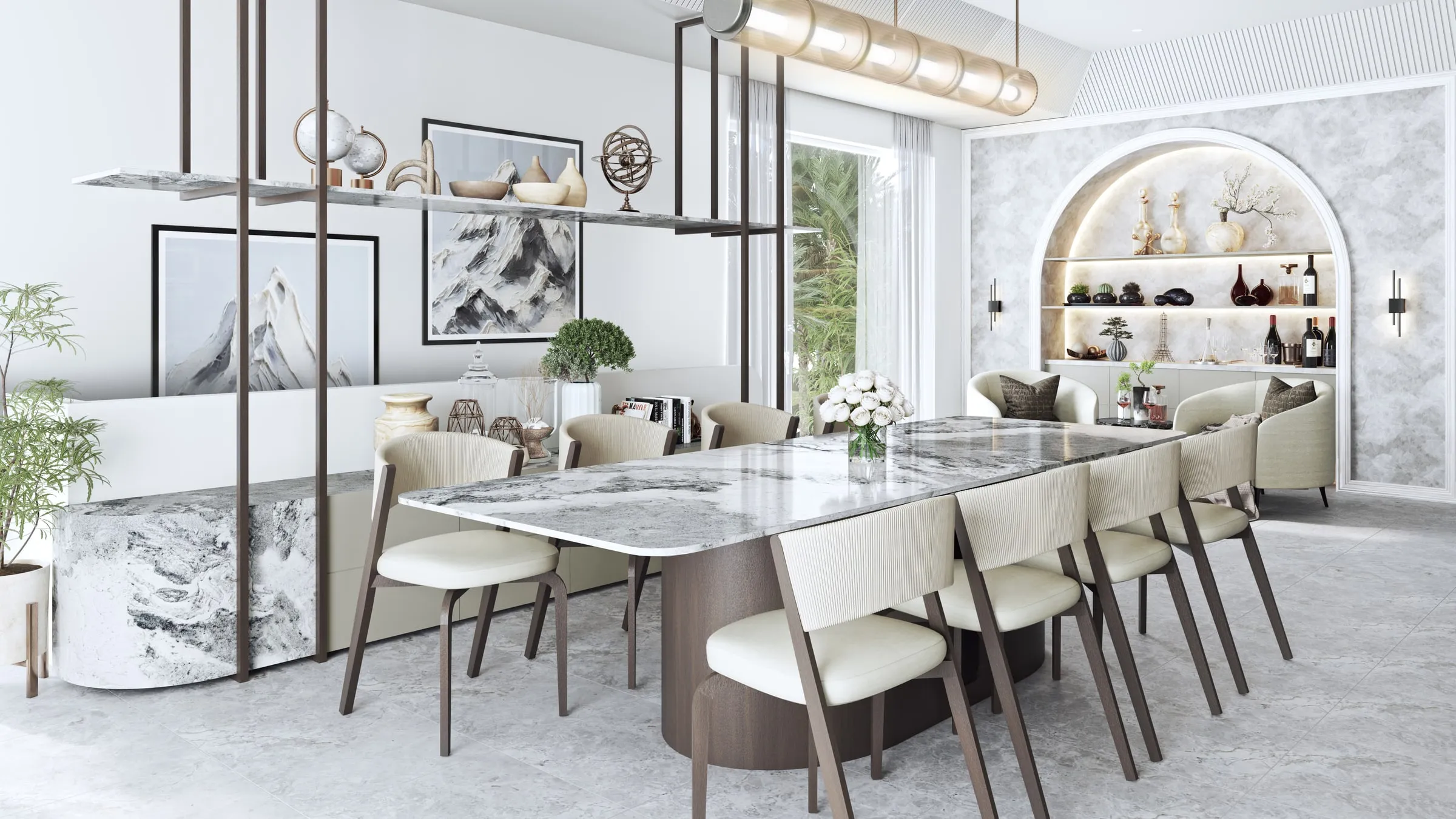
Two kinds of picture now sell and rent most Australian property. One is a photograph that has been edited: brightened, decluttered, virtually staged or quietly repaired. The other is a picture of something that doesn’t exist yet: an artist’s impression of a building, or an image produced by an AI tool. The rules for both tightened in 2026. NSW has passed a law requiring altered rental photos to be disclosed, and the Australian Consumer Law still governs every image used to sell property.
This guide sets out what each rule says, from the official sources, and where each applies. It isn’t legal advice: for a particular listing or application, check the current rules with Fair Trading or your adviser.
The rules at a glance
| Applies to | What it says | Source | |
|---|---|---|---|
| NSW rentals | Landlords and agents advertising rentals in NSW, expected from early 2027 | Disclose images digitally altered or AI-generated to hide faults that could mislead tenants. Businesses that don't: up to $22,000 | NSW Government, 25 Sep 2026 |
| All sales | Anyone in trade or commerce, including agents and developers | No misleading or deceptive conduct (s 18), and no false or misleading representations about land, including its characteristics and facilities (s 30) | Australian Consumer Law |
| Off the plan | Artist's impressions in marketing | The same consumer law; the "artist's impression" label doesn't excuse an image the plans can't deliver | Our artist's impression guide |
| NSW appeals | Photomontages and visualisations relied on in the Land and Environment Court | An unaltered photograph, the camera position and the image metadata, so the view can be verified | LEC policy, May 2024 |
| VCAT cases | Parties and experts in Victorian tribunal cases, planning included | Disclose any use of generative AI, images included; whoever relies on a document is responsible for its accuracy; experts name the tool used | VCAT Practice Note PNVCAT11 |
NSW rental ads: the new disclosure rule
On 24 September 2026 the NSW Parliament passed the Residential Tenancies (Protection of Personal Information) Amendment Bill 2025. The Government’s announcement says it “will require landlords and agents to disclose when property images in rental advertisements have been digitally altered or AI-generated to hide faults which can mislead prospective tenants, such as fake furniture that hides structural damage or misrepresents room proportions”. Businesses that fail to disclose altered photographs face penalties of up to $22,000, and the new laws are expected to take effect in early 2027 (NSW Government, 25 September 2026).
When the Bill was introduced in June 2025, the Government described the disclosure as covering images “altered to conceal faults in order to mislead rental applicants” (NSW Government, 29 June 2025). The detail of what has to be disclosed, and how, depends on the regulations still being made, so read them when they are published. The aim is already clear: an edit that hides a fault a renter would want to know about has to be declared.
The rule covers rental advertising in NSW. It doesn’t cover sales ads, and it doesn’t apply in other states, but the consumer law below does.
Sales and off-the-plan: the Australian Consumer Law
The Australian Consumer Law applies to every image used in trade or commerce, whoever edited or generated it. Section 18 prohibits misleading or deceptive conduct. Section 30 prohibits false or misleading representations in connection with the sale or grant of an interest in land, including about the land’s characteristics, the use it can be put to, and the facilities associated with it (Competition and Consumer Act 2010, Schedule 2).
Neither section mentions AI, and neither needs to. The question is what a picture leads a buyer to expect. An AI tool that “improves” a view, swaps a cracked tile for a new one, or quietly removes a neighbouring building creates the same risk as a retoucher doing it by hand.
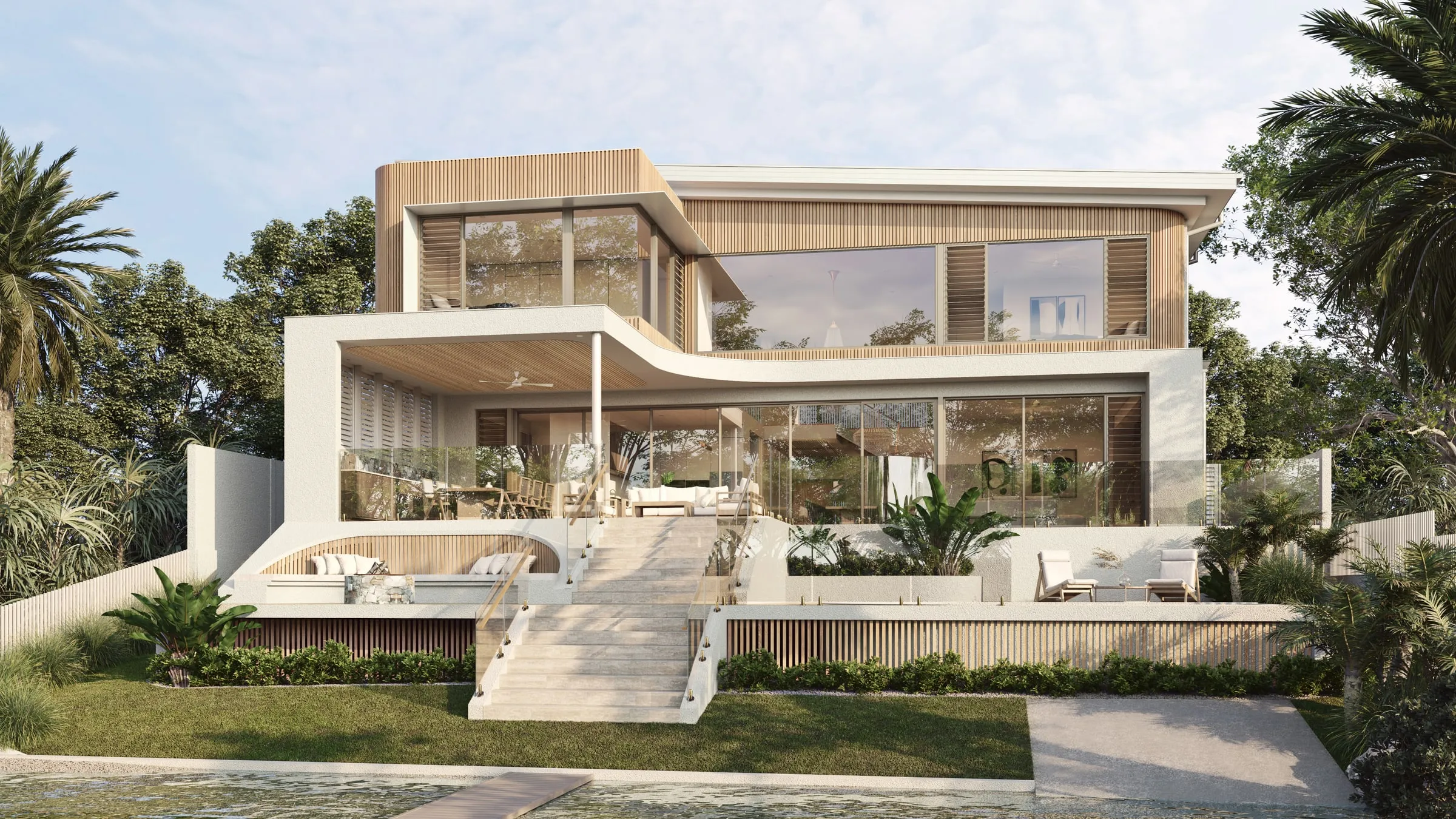
Off-the-plan marketing is where this matters most, because the building only exists in pictures. The usual “artist’s impression” caption tells a buyer the image isn’t a photograph. It doesn’t make an image fair if the plans can’t deliver it: that’s covered in what the artist’s impression label does and doesn’t do. An AI-generated image adds a further problem. It isn’t built from the plans at all, so nothing ties what it shows to the apartment being sold.
Planning: an image that can’t be checked carries little weight
We haven’t found an Australian planning authority that bans AI-generated images in a development application. What the authorities and tribunals ask for is images that can be checked, and in Victoria, honesty about how they were made. The clearest statement is the NSW Land and Environment Court’s policy on photomontages and visualisation tools, in force since 17 May 2024. It covers computer-generated imagery as well as photomontages. It expects an unaltered photograph of the existing view, a plan showing where the camera stood, and a summary of the image metadata, so the visualisation can be verified (LEC policy).
In Victoria, the Civil and Administrative Tribunal’s practice note on generative AI took effect on 22 December 2025. It treats generative AI as AI that can create new content, images included. Parties who use it should disclose it, whoever relies on a document is responsible for its accuracy, verification must not be done with a generative AI tool, and an expert report must name the tool used (VCAT Practice Note PNVCAT11). Our guide to renders and photomontages at VCAT covers what the Tribunal expects of visual evidence.
A picture produced by an AI image generator can’t meet either standard comfortably: it has no real camera, no metadata to reconcile and no link to the drawings. A render built from the plans and set into a surveyed photograph can. The full requirements are in our guide to photomontages in NSW planning, and what other authorities ask renders to show is compared in planning render requirements across Australia.
A checklist before an image goes into an ad or an application
- Photo of the property as it is? Edits that change what’s there, such as furniture, finishes, damage, room size or outlook, need to be disclosed, and in NSW rental ads that will be a legal requirement.
- Keep the originals. An unedited copy of every photo answers most questions before they become complaints.
- Never use an edit to hide a fault. That’s the case the NSW rule targets, and it’s the clearest breach of the consumer law.
- Off the plan? Build the image from the plans and the finishes schedule, caption it as an artist’s impression, and show nothing the contract won’t deliver.
- Planning? Use images with a verifiable camera: rendered views and photomontages built from the drawings and survey, not generated pictures.
Sources
- NSW Government, Minister for Better Regulation and Fair Trading: Minns Labor Government delivers NSW renters landmark protections against privacy breaches and misleading rental ads, 25 September 2026
- NSW Government: Minns Government introduces new laws to protect the personal data of renters and penalise misleading rental ads, 29 June 2025
- Federal Register of Legislation: Competition and Consumer Act 2010, Schedule 2 (Australian Consumer Law), sections 18 and 30
- Land and Environment Court of NSW: Use of Photomontages and Visualisation Tools, commenced 17 May 2024
- Victorian Civil and Administrative Tribunal: Practice Note PNVCAT11, Generative AI, effective 22 December 2025