How many renders do you need? A practical count for planning, sales and design
How many renders a planning submission, a sales campaign or a design presentation really needs, and the point where buying more images stops adding anything.
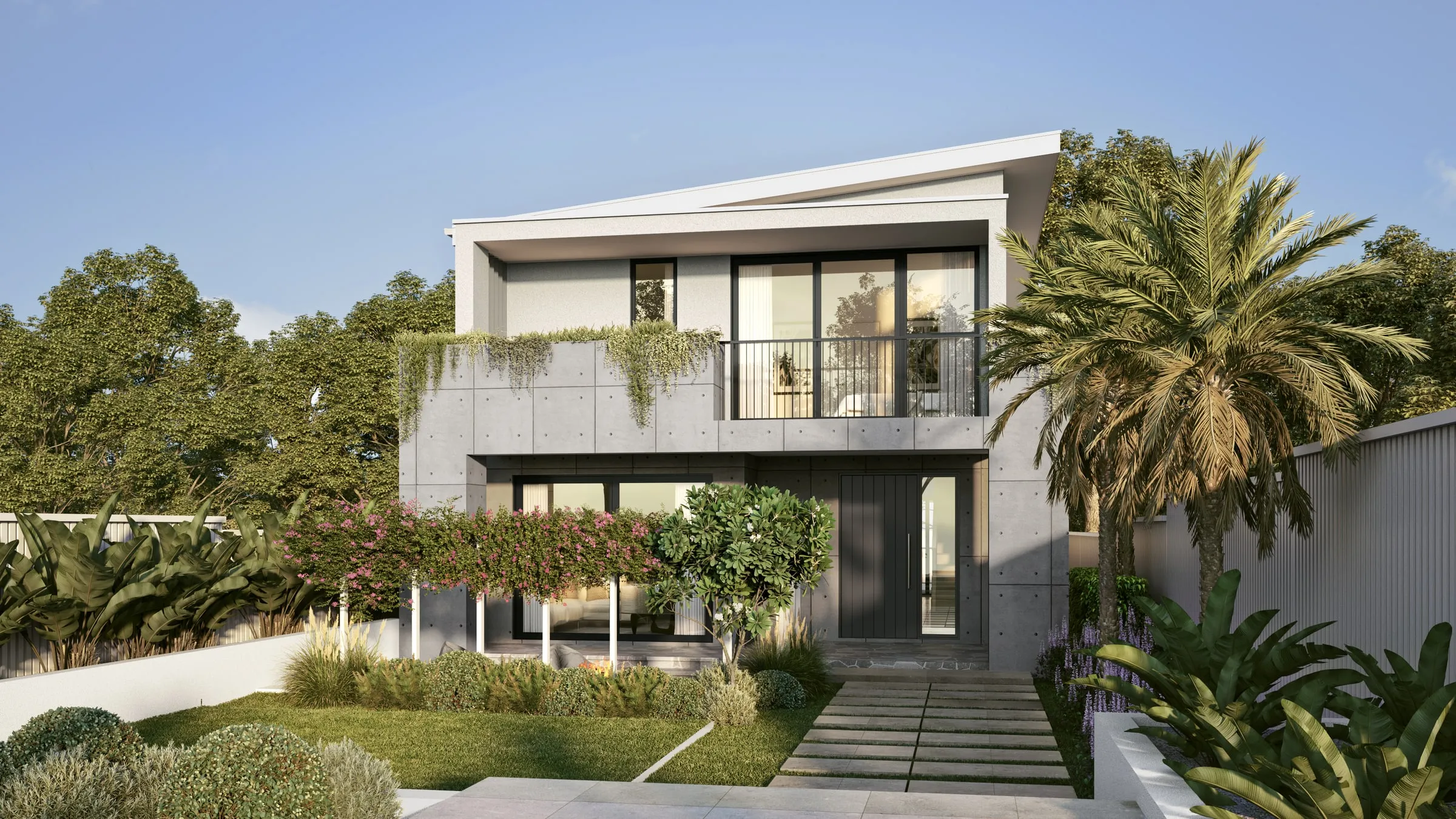
Most rendering budgets are partly spent on images that add nothing: the fourth angle of the same facade, the third bedroom that looks like the second. The right number depends on one thing, what the images have to do, and for most projects it is smaller than people expect.
For a planning or design review submission: usually two to four
Planners judge bulk, height and context from the places the public will see the building. That usually means a street view in context, one or two views from significant public places, and an aerial if the site is large. Extra views rarely help, and a flattering one can hurt, because a planner who finds one misleading image starts doubting the rest. See what planners actually want from your render.
What NSW councils ask for at lodgement
For a development application in New South Wales, the council’s lodgement checklist sets the floor, and checklists differ. Bayside Council asks, for new developments of $3 million and over, for a 3D perspective of the proposal at a scale of at least 1:200, showing the street frontages (all of them on a corner site) and the neighbouring buildings, plus a photomontage taking in the adjoining properties on either side. Central Coast Council requires a photomontage for residential flat buildings, shop top housing and large-scale commercial or industrial developments, and may ask for one on prominent sites.
So count from your council’s checklist first, then add views only where they answer a real question. A photomontage is built on a surveyed photograph rather than a fully rendered scene, so if one is on the list, plan for it from the start. Our guide to the Court’s photomontage policy covers what it involves, and our page on photomontages sets out what to send.
Sources, checked October 2026: Bayside Council, Development application lodgement checklist (2024); Central Coast Council, Development application checklist (2025).
For a sales campaign: a compact core set
A residential campaign is well served by a hero exterior (often with a dusk version), the arrival at street level, two or three interiors per apartment type, the real view from representative levels, the amenity where it is part of the offer, and an aerial.
For one building with one or two apartment types, that is typically five to eight stills. Each additional apartment type adds two or three interiors, not more exteriors. A launch usually adds a film or an interactive tour built from the same scenes. Our guide to off-the-plan campaign imagery sets out the set and the sequence.
For a design presentation, a competition or an award: as few as the idea needs
Architects. One image per idea. The hero carries the concept; add a section or cutaway only if the idea is spatial. A competition board decides its own count, so design the board before ordering the images.
Custom home builders. A hero exterior, the two or three interiors where the craft shows, and facade options rendered from an identical camera and light, so the client compares design rather than weather.
Interior designers. One or two views of each room the scheme turns on. Colourway and day-and-dusk variants are cheap, because the scene already exists.
Where more images stop adding anything
- Near-identical angles. Four views of the same facade each cost something and together say what one strong hero says.
- Every room. Buyers decide on the living space, the kitchen, the main bedroom and the bathroom. A second and third bedroom rarely change a decision.
- What isn’t decided yet. Rendering a part of the design that is still moving means rendering it twice.
How to spend less on the images you do need
Order them together. The scene is the expensive part. Bought one at a time, a set can cost close to double the same set ordered at once, because the scene is rebuilt each time.
Use variants. Dusk versions, colourways and facade options reuse the scene, so they cost a fraction of a new image.
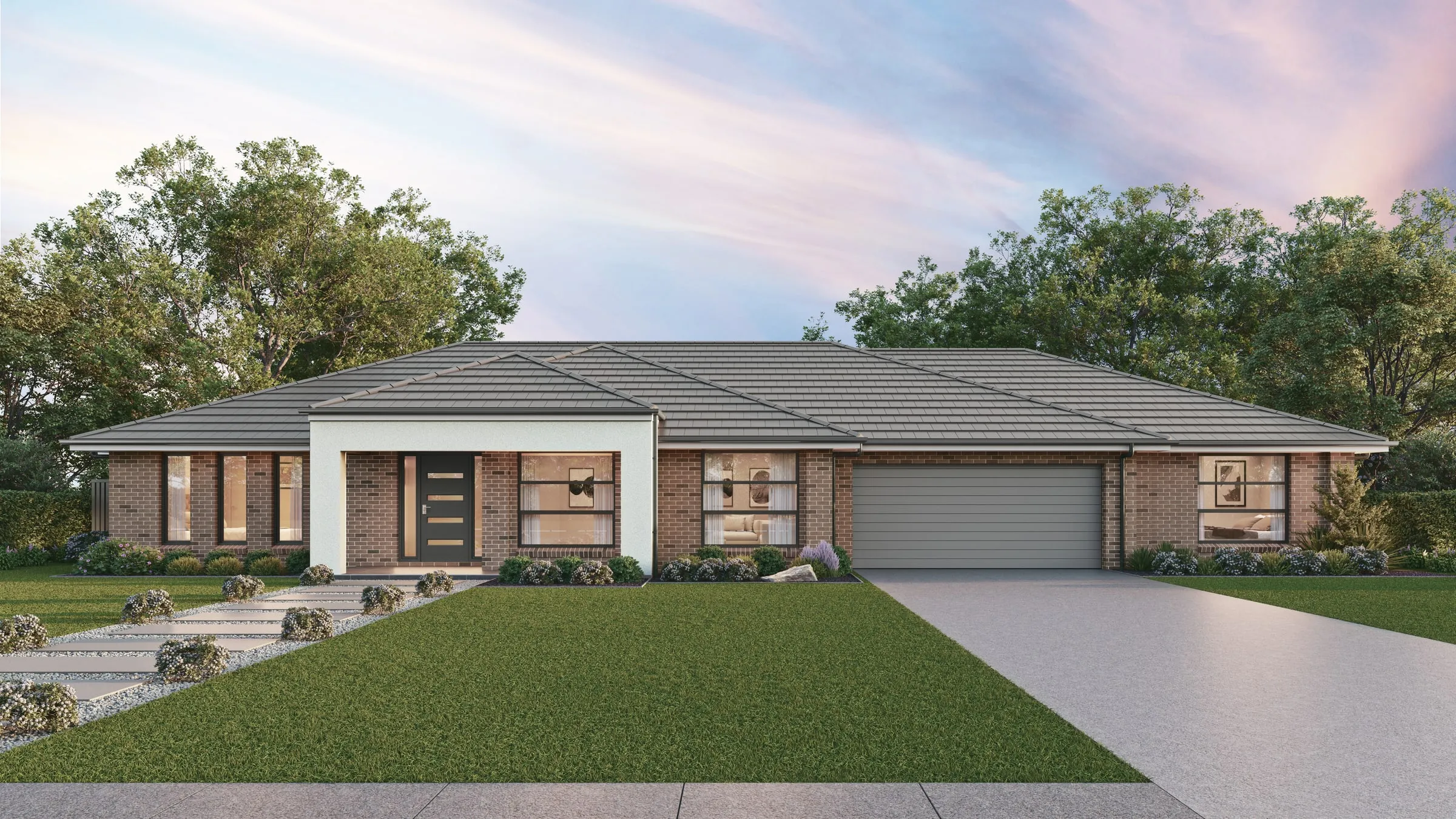
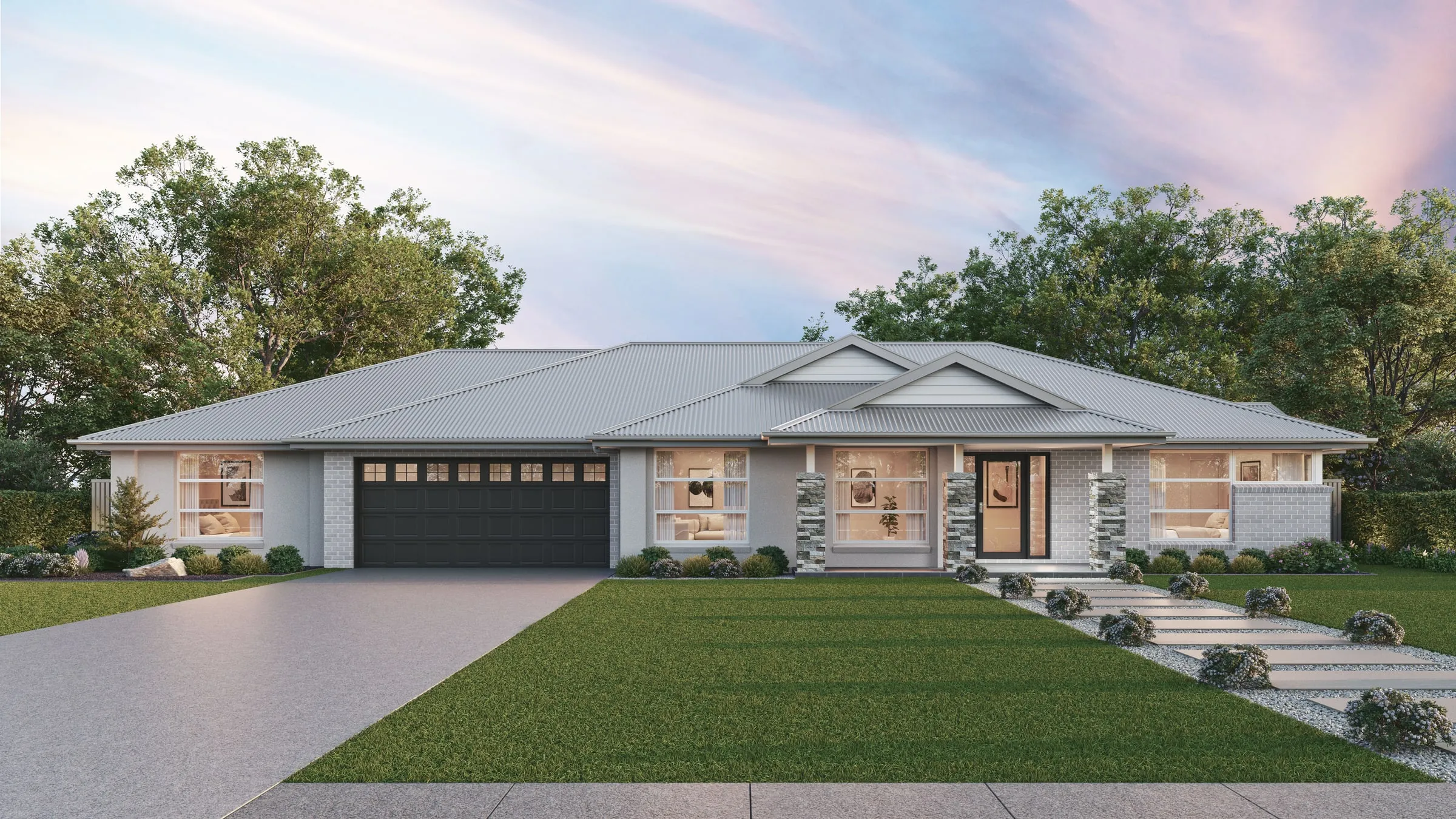
Agree the cameras on the grey-box. Moving a camera before materials go on is quick. Moving it afterwards is a new image.
A starting count
- Planning or design review: two to four stills, with an aerial for a larger site
- A small residential launch: five to eight stills, plus a film or tour if the launch needs one
- A custom home for one client: a hero exterior, two or three interiors, and facade options as needed
- An interior scheme: one or two views of each key room, plus colourway variants
- A competition or award: what the board layout holds, usually one hero and one supporting view or section
Our published packages follow the same logic: a single still, a five-image campaign set, and a full campaign with film, stills and a tour.
To put a figure on your count, these are our starting rates by type of image:
| Image type | From | Typical turnaround |
|---|---|---|
| Exterior Visualisation | From $1,000 per image | Typically 3–4 business days |
| Interior Visualisation | From $1,000 per image | Typically 3–4 business days |
| Aerial & Masterplan | From $1,900 per image | Typically 4–6 business days |
| Architectural Film | From $6,500 per finished minute | Typically 8–12 business days |
| Interactive & Virtual Tours | From $3,000 per tour | Typically 1–2 weeks |
| Photomontages | From $1,500 per view | Typically 4–6 business days per view once the photos, survey and drawings are in |
Every project is quoted at a fixed price before work starts. The full rate card and examples are on our pricing page.
Not sure what your project needs? Send us the drawings and a line on what the images are for. You’ll have a fixed price, a written scope and a delivery date within two business hours, and a straight answer if you need fewer images than you planned.