Premium 3D rendering services and visualisation services
Six services — one Aurum Standard.
Premium 3D rendering for architects, developers and luxury builders: exterior and interior stills, aerial and masterplan views, architectural film and interactive tours, and photomontages for planning. Every one is quoted at a fixed price before work starts, and made by one senior artist from first model to final grade.
Want a figure first? Our price calculator adds up the starting rates for what you need.
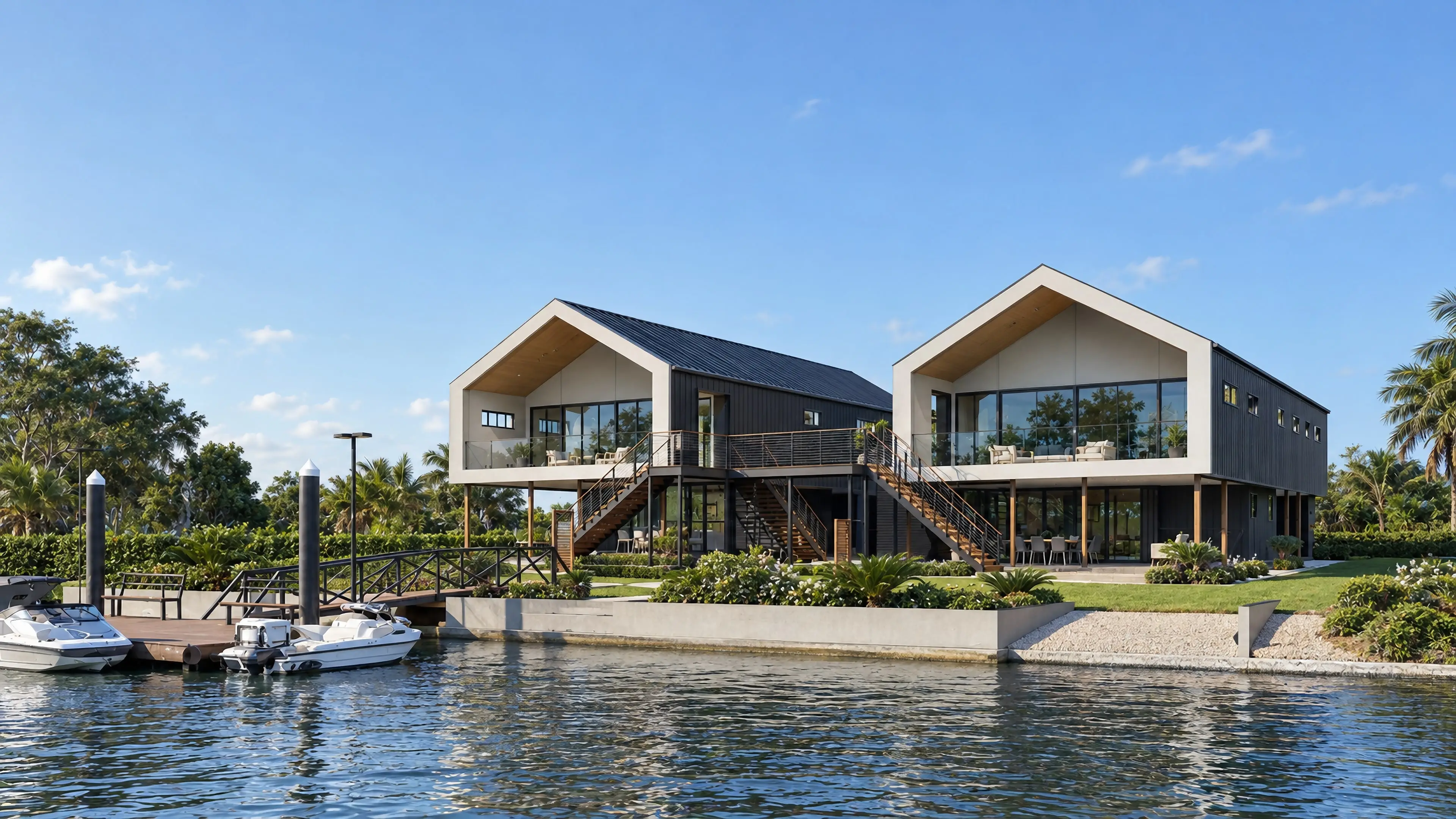
Exterior Visualisation
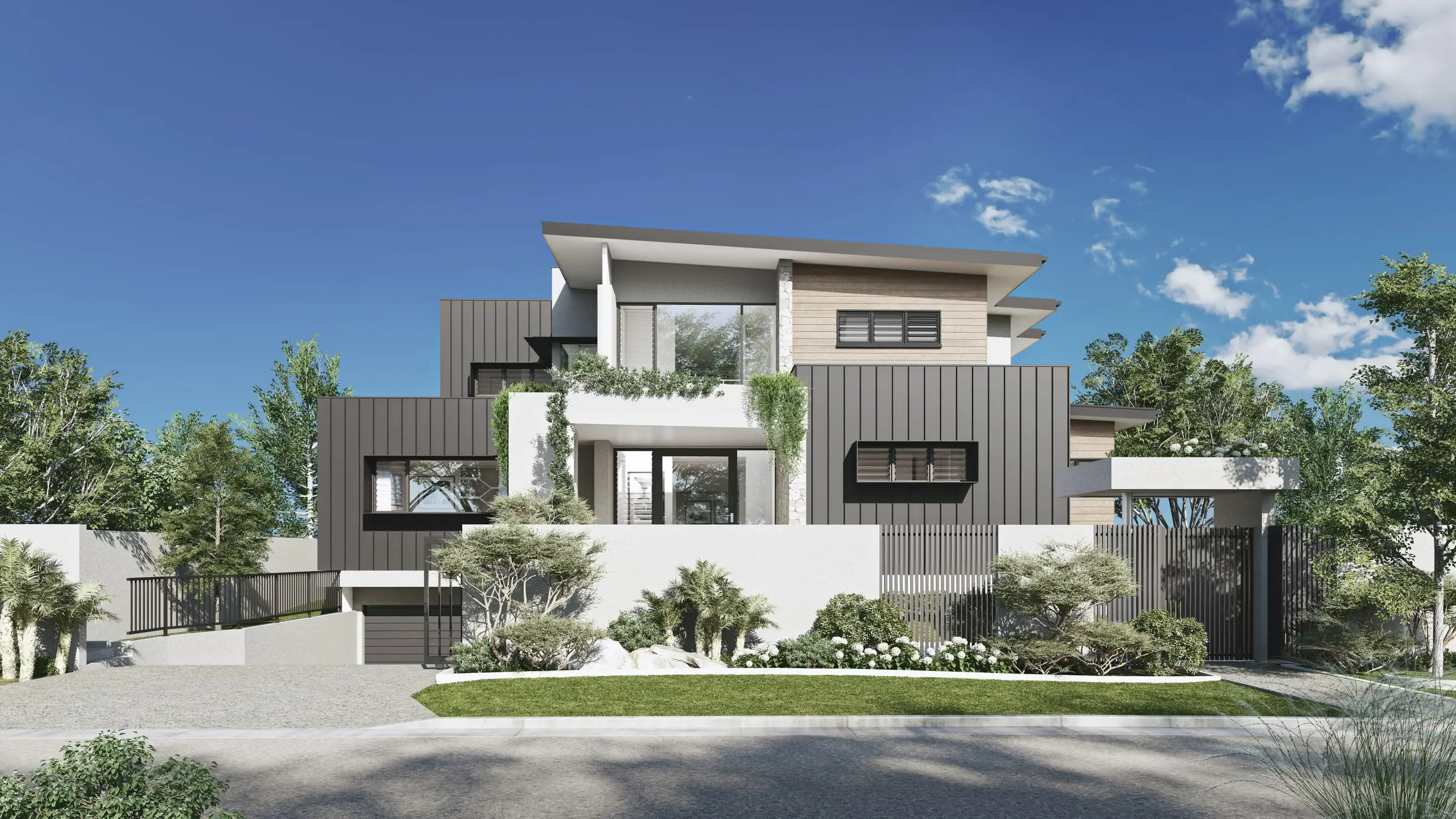
Facades, elevations and streetscapes rendered at the fidelity a considered building deserves.
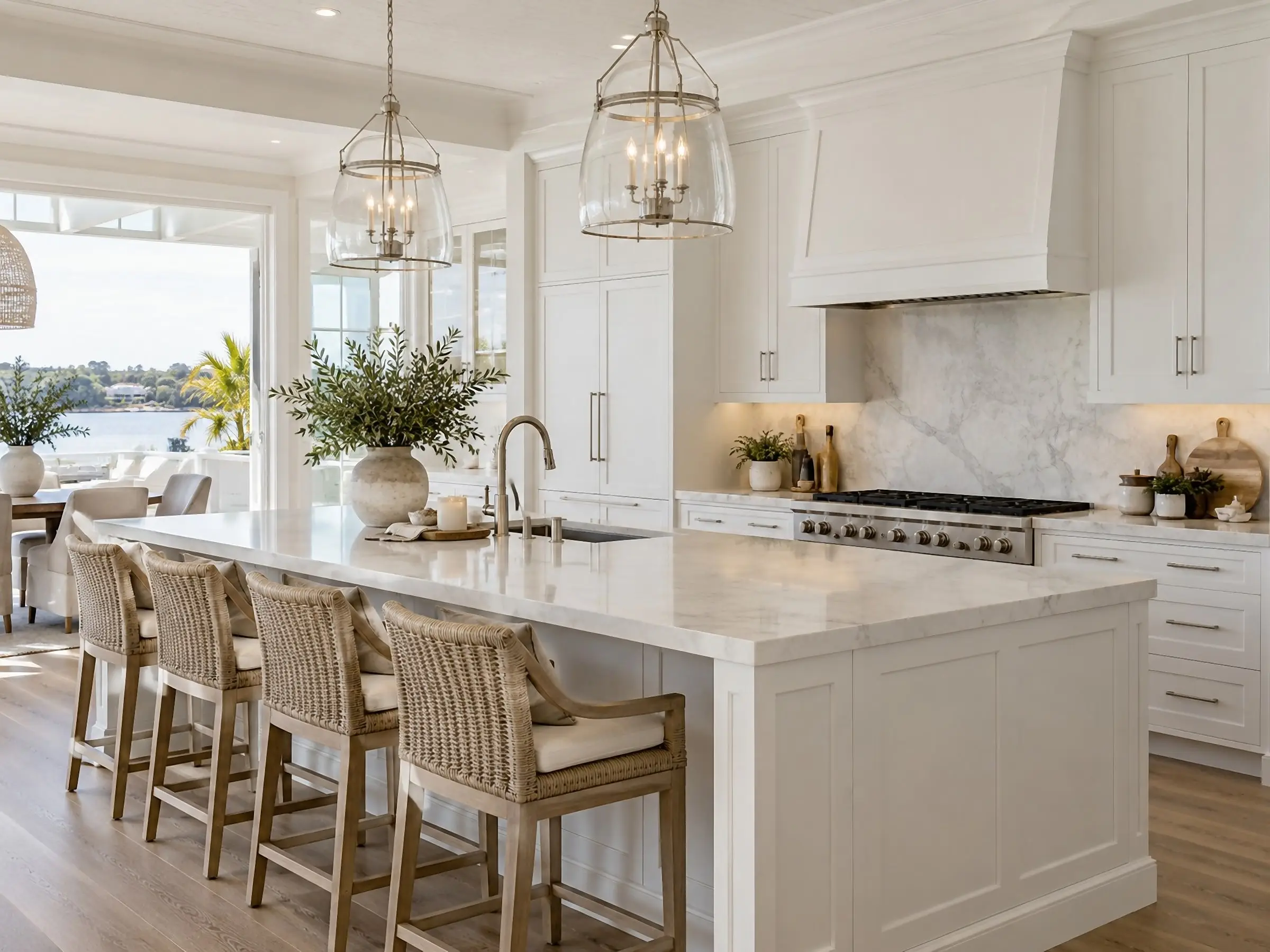
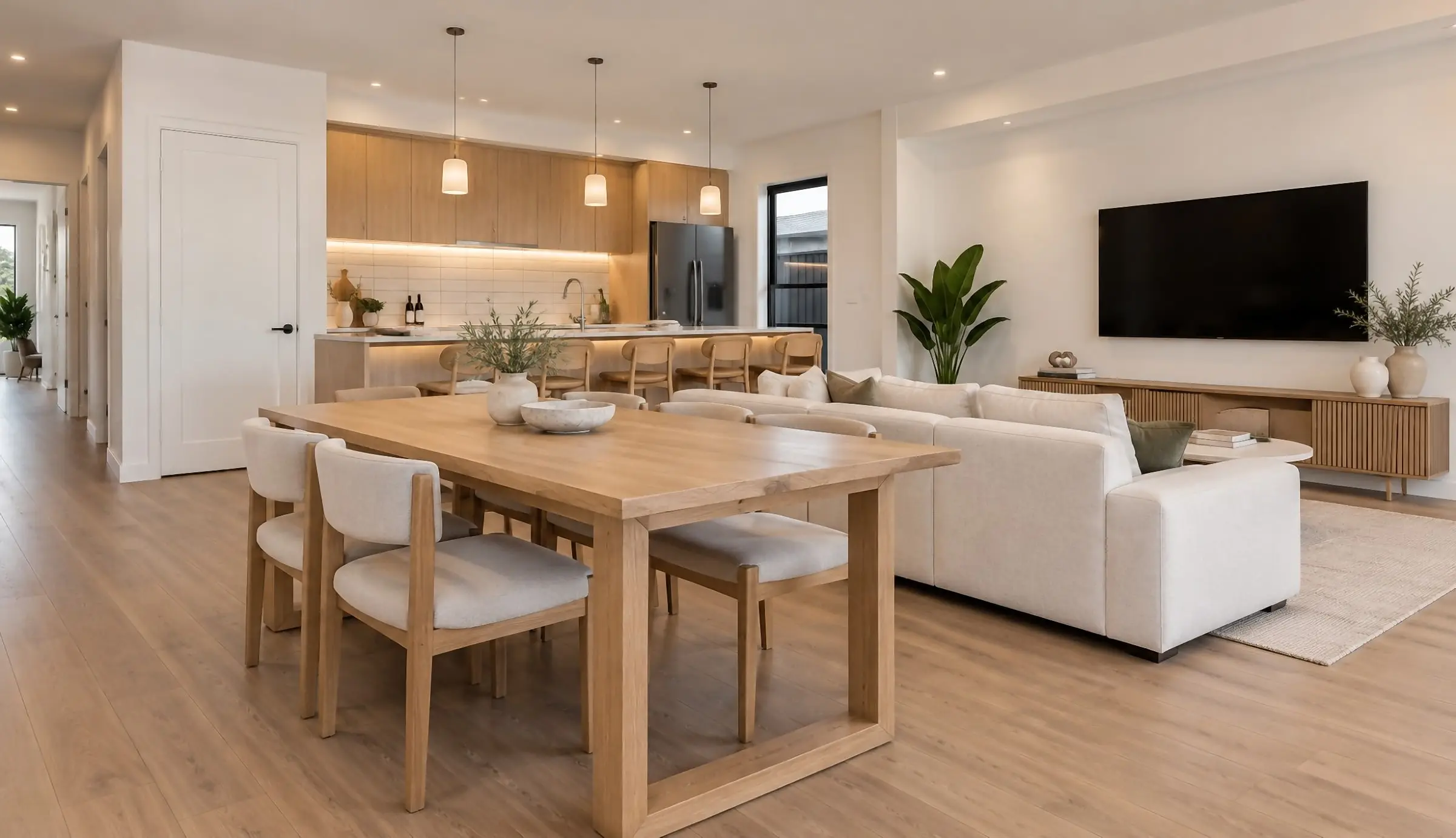
Interior Visualisation
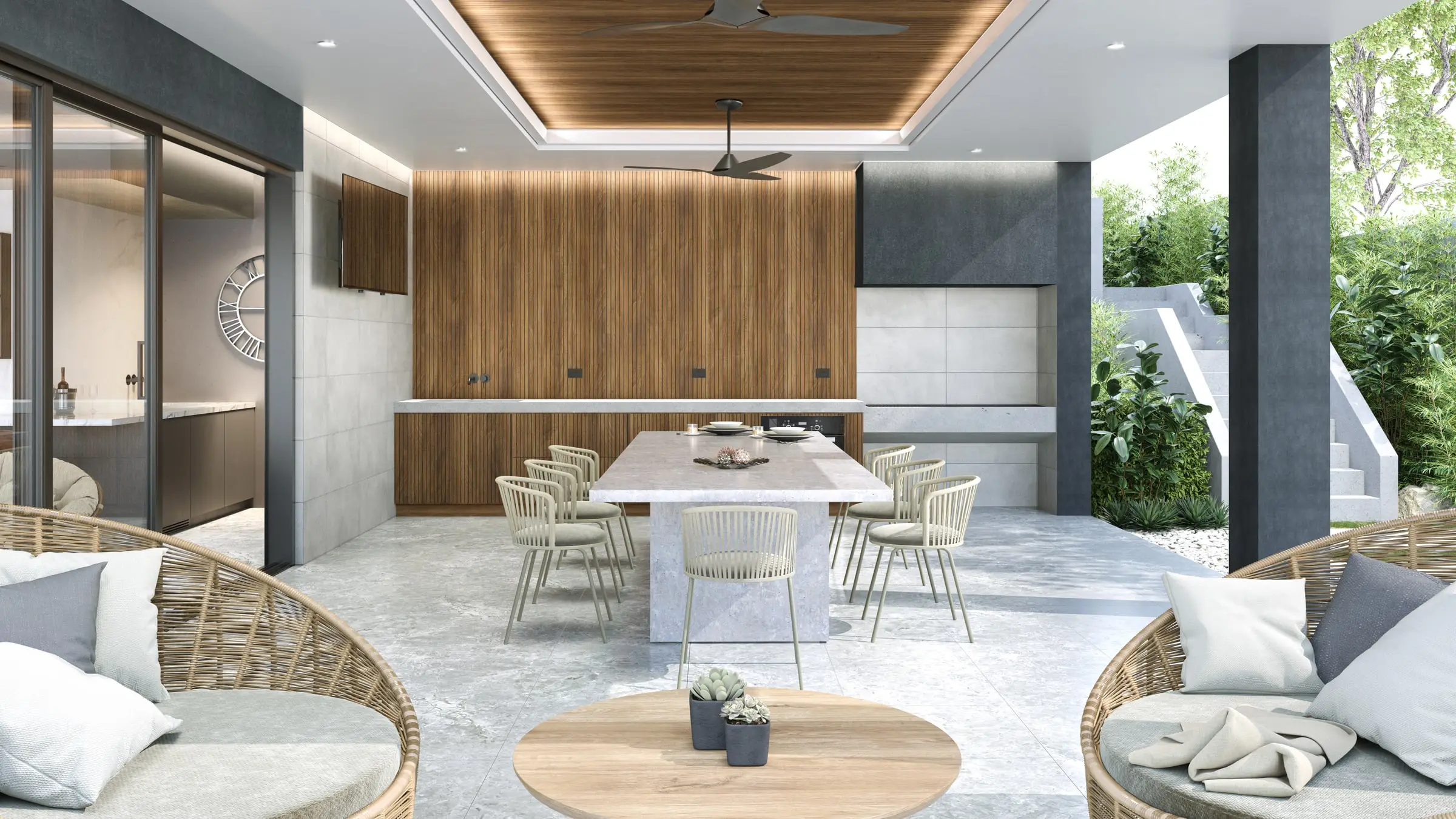
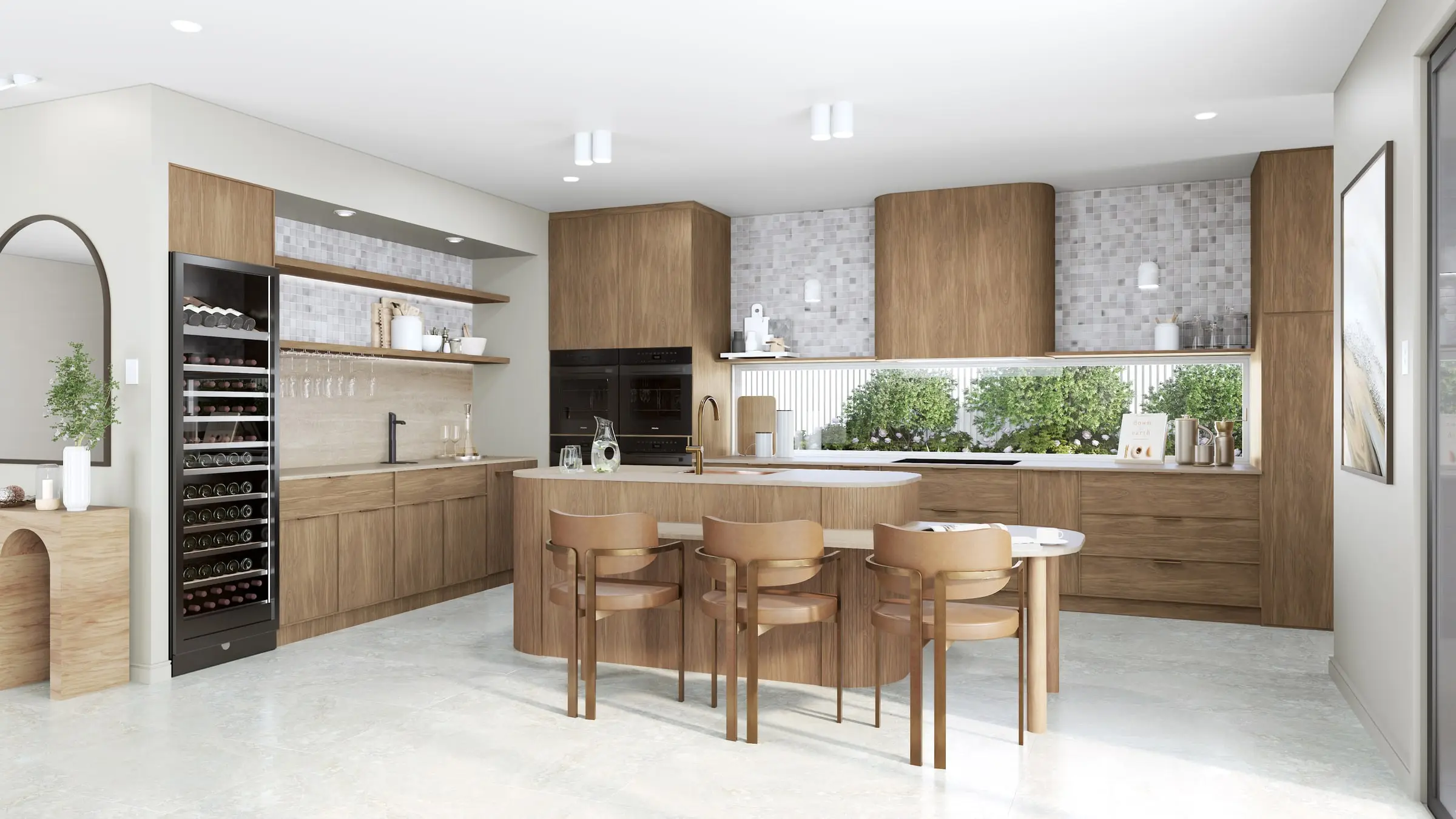
Rooms rendered with the light, materials and styling that make a space feel lived in rather than assembled.
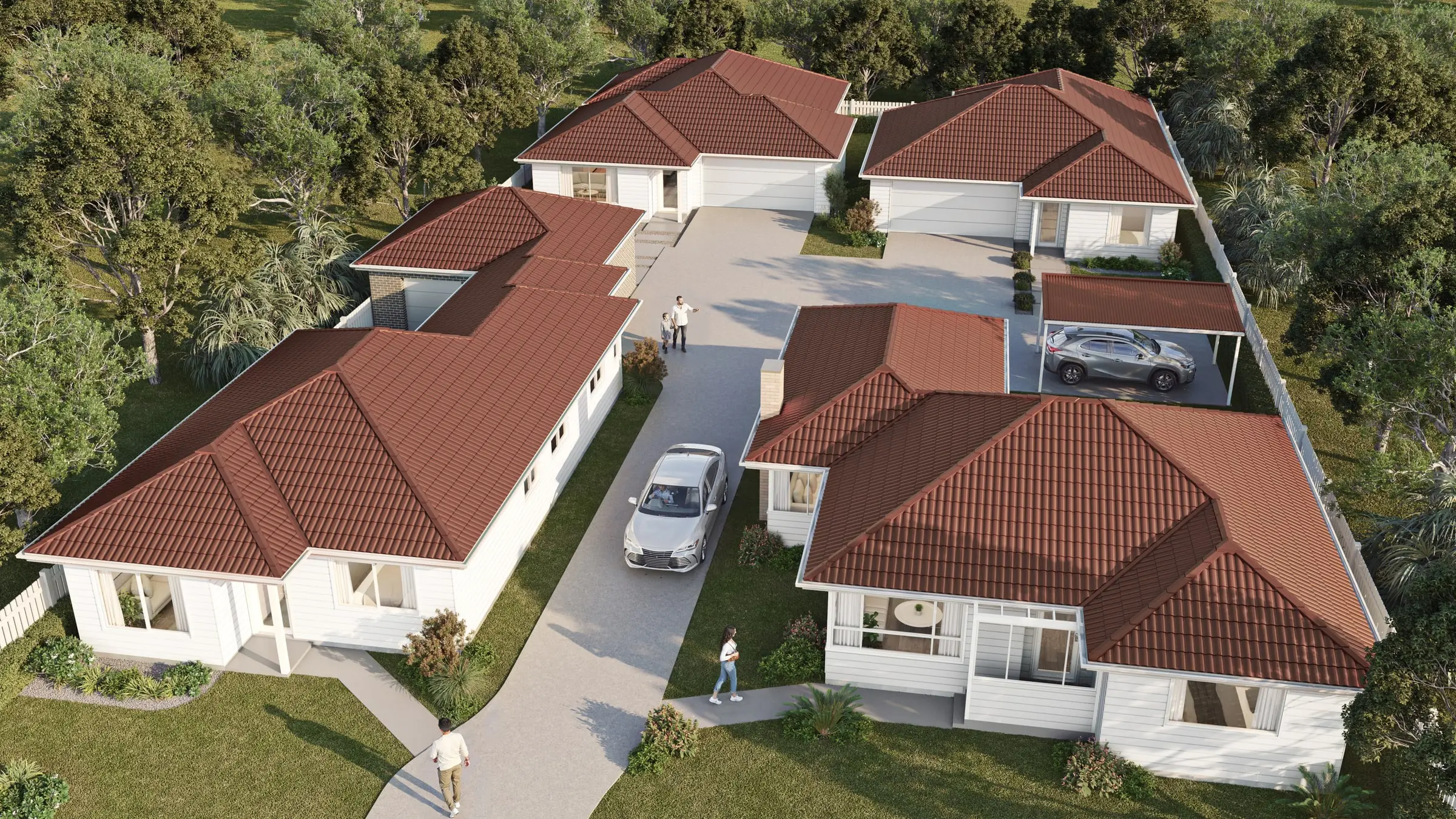
Aerial & Masterplan
Whole-site imagery for estates, precincts and staged developments — context, landscape and scale in a single frame.
Architectural Film
Cinematic film that moves through a building the way a person would, not the way a camera on rails does.
Interactive & Virtual Tours
Navigable 360° environments for display suites, sales galleries and off-the-plan campaigns.
Photomontages
The proposal set into photographs of the real site, matched to the camera and the hour, with a method a council or the Court can check.
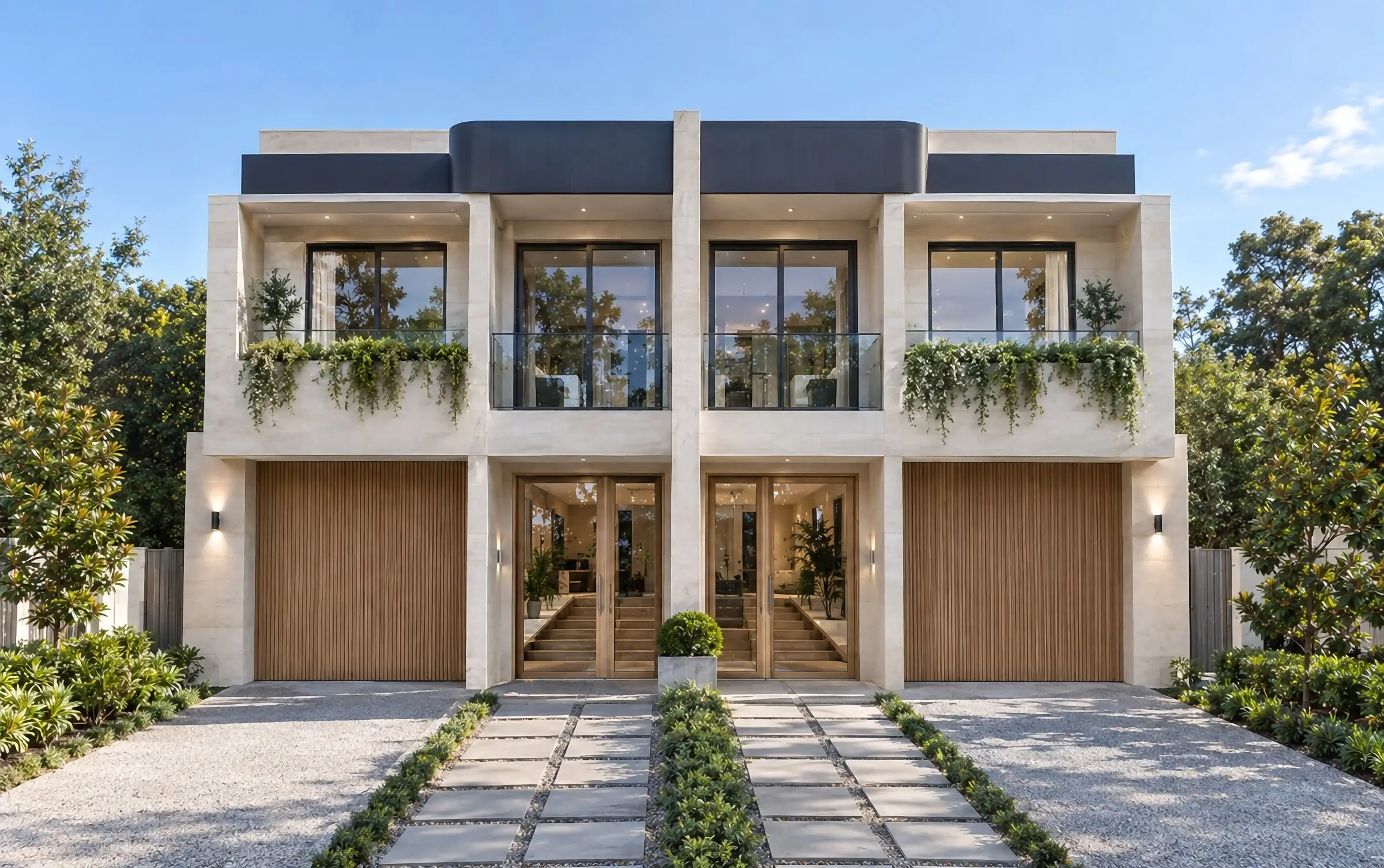
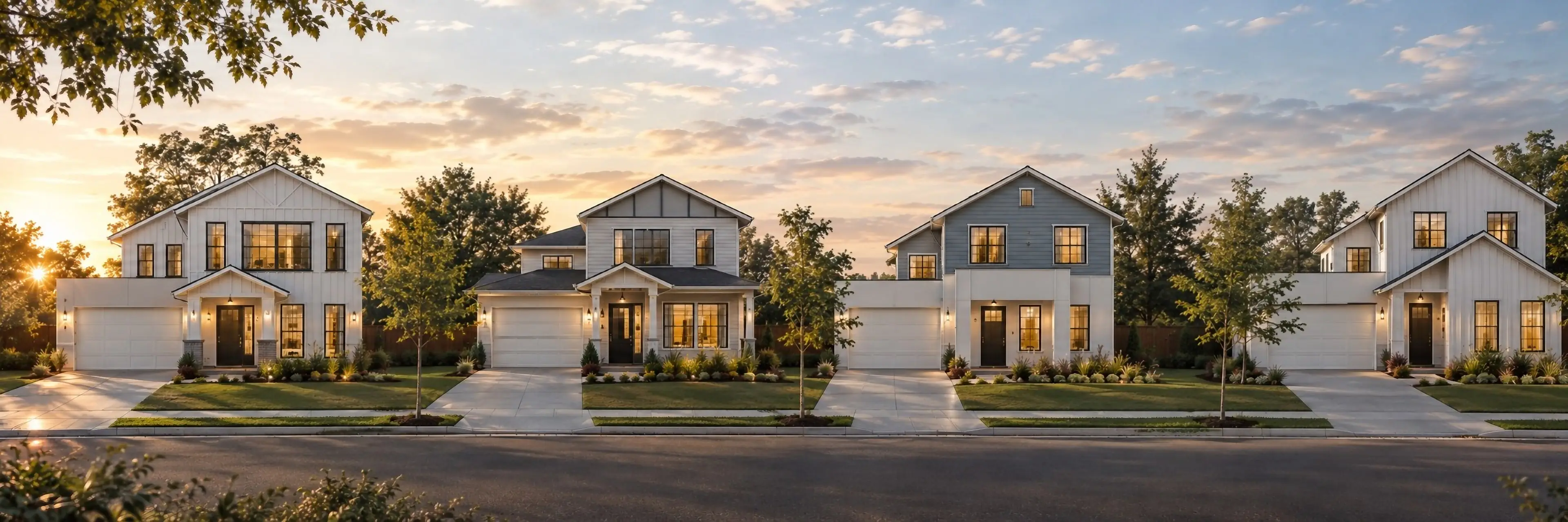
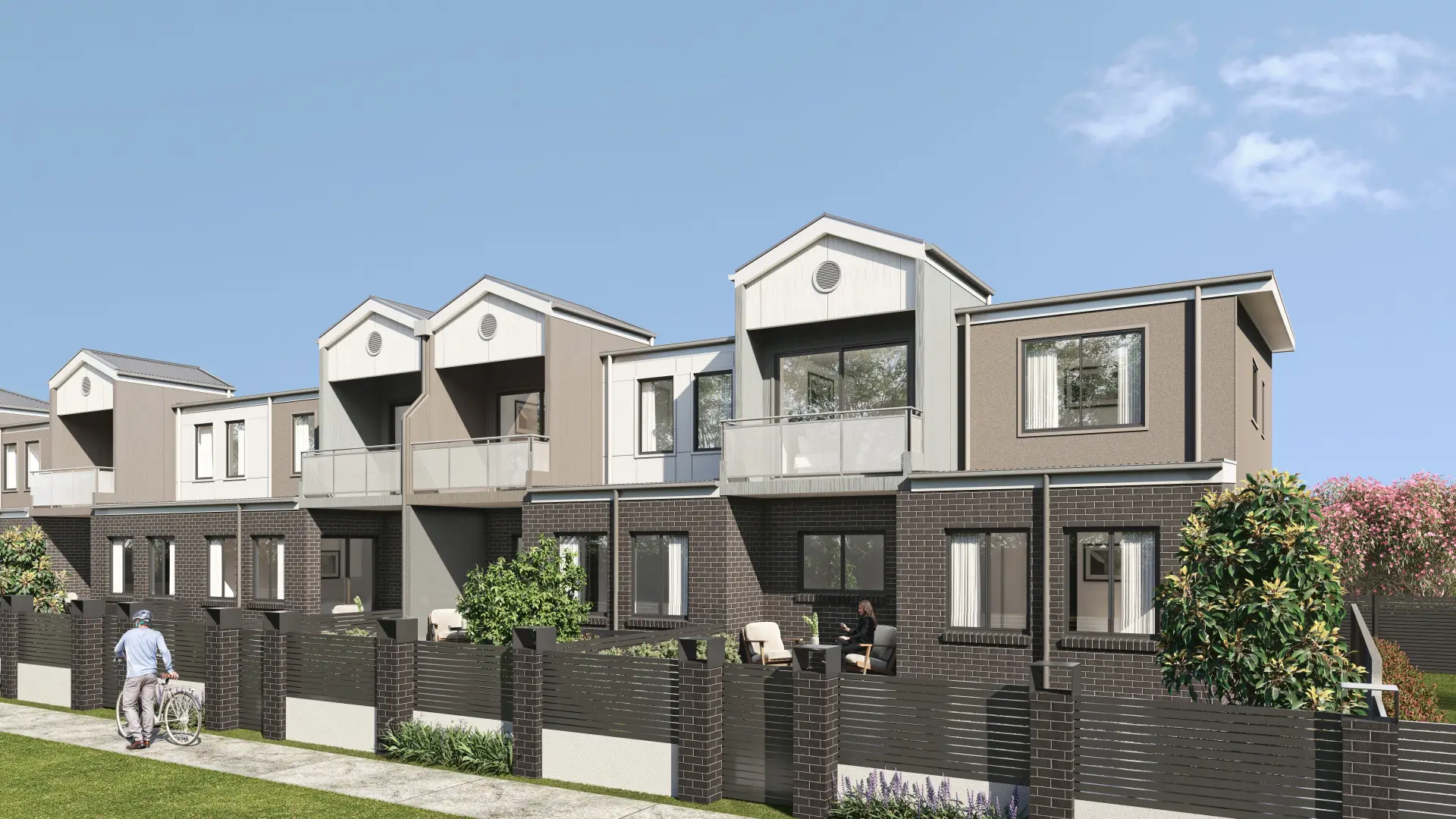
Pictured: a rendered street view, not a photomontage
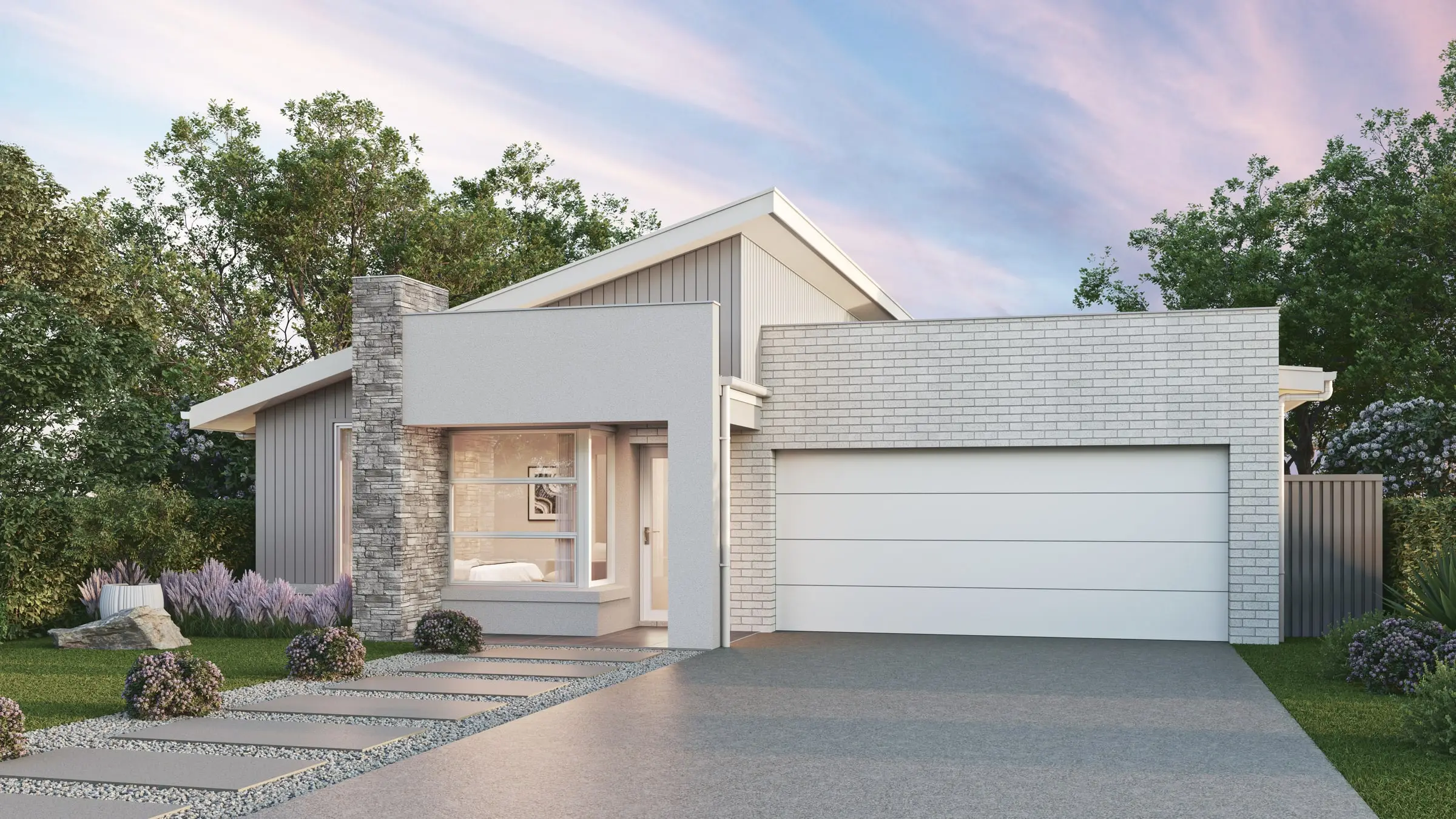
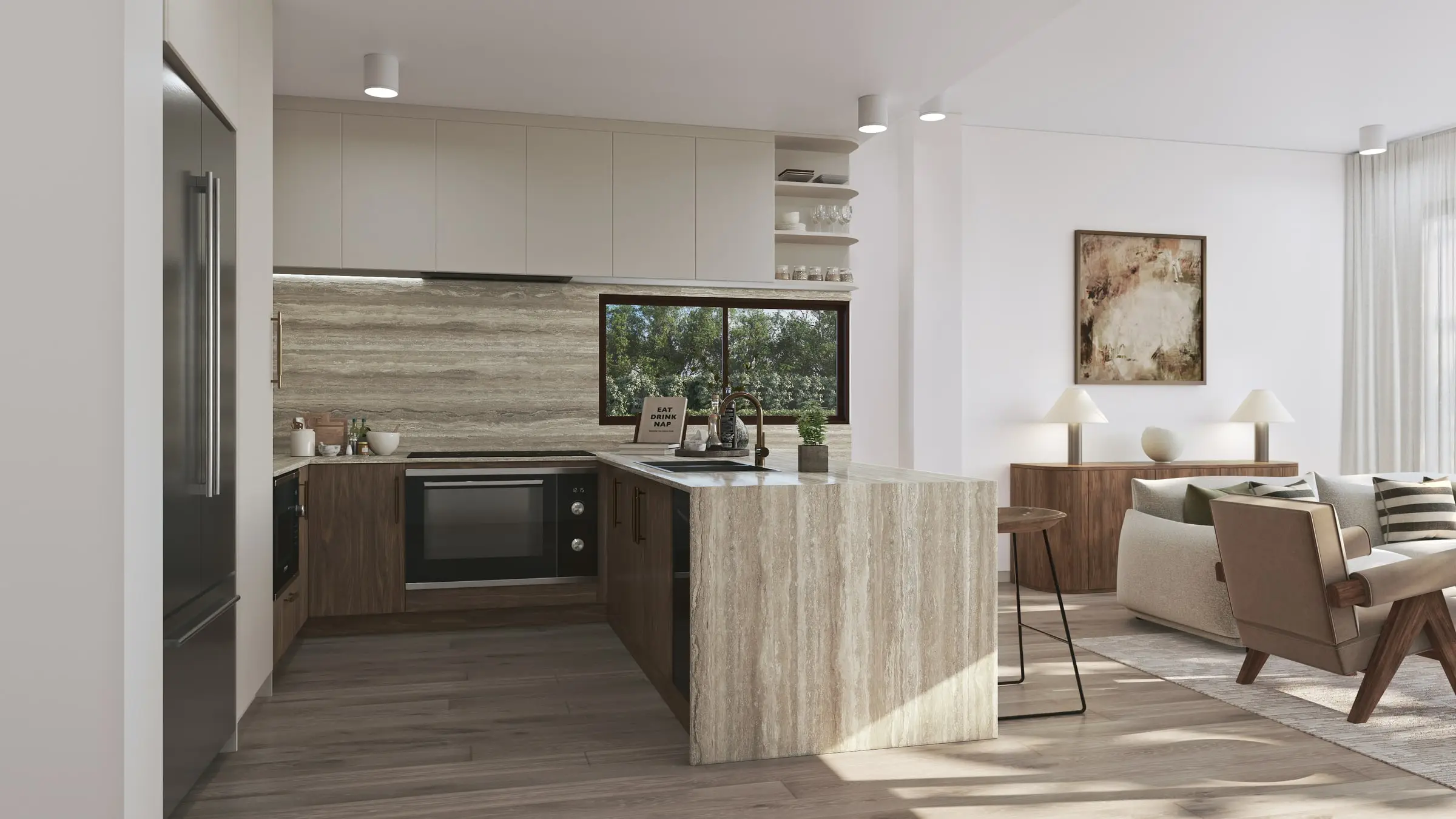
Selected stills
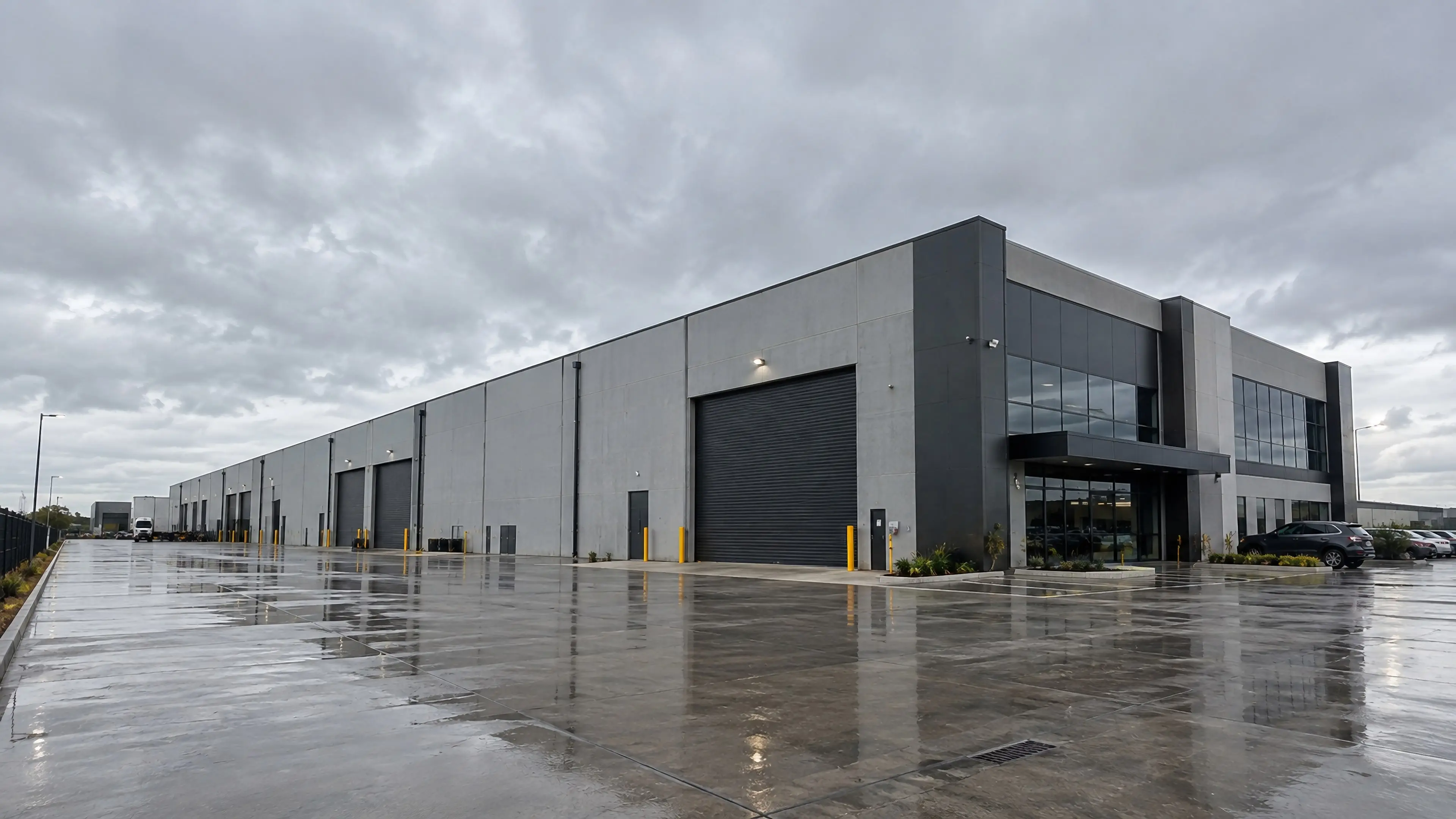
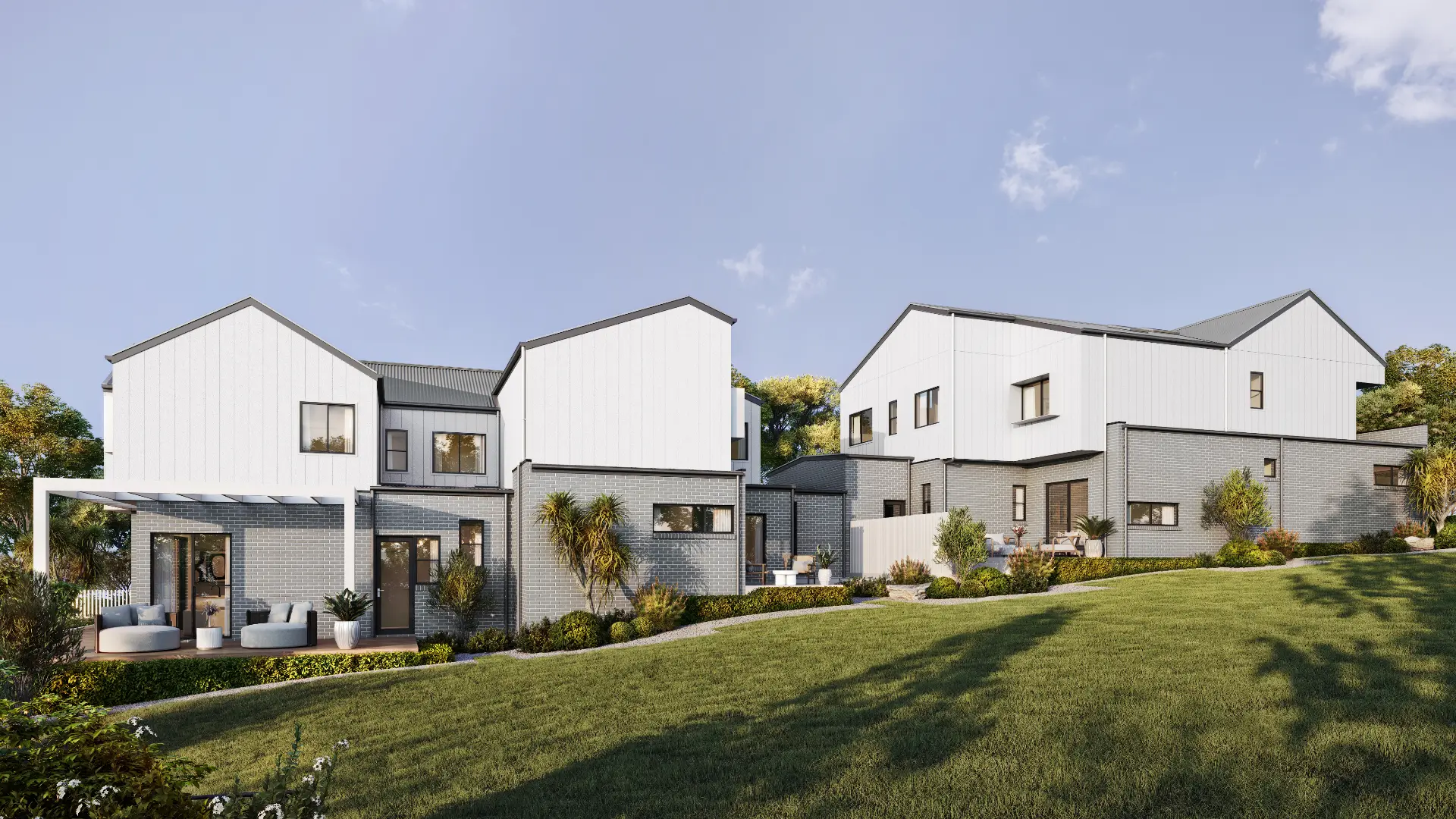
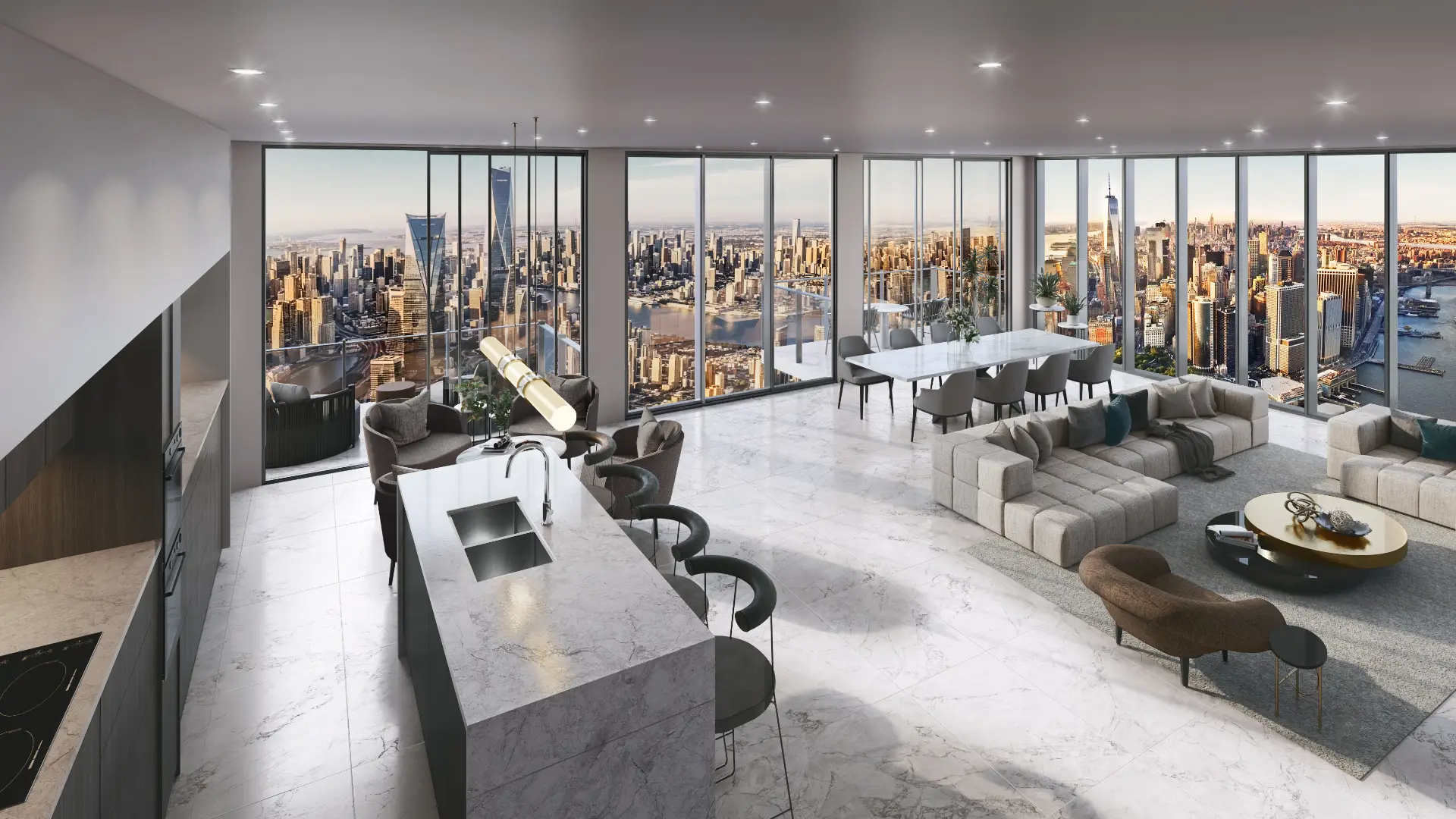
Exterior and interior stills. Each one links to the service that makes it.
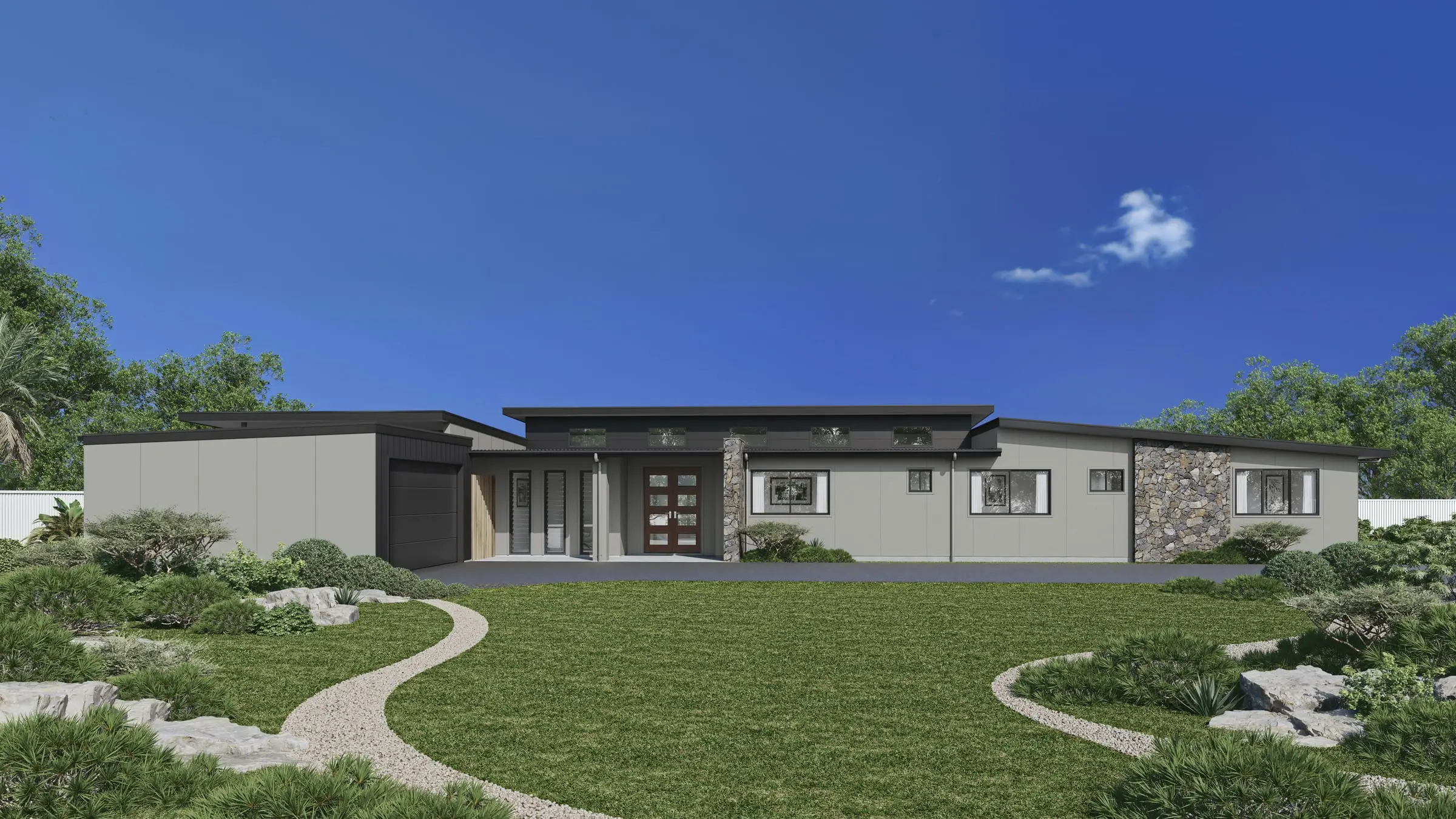
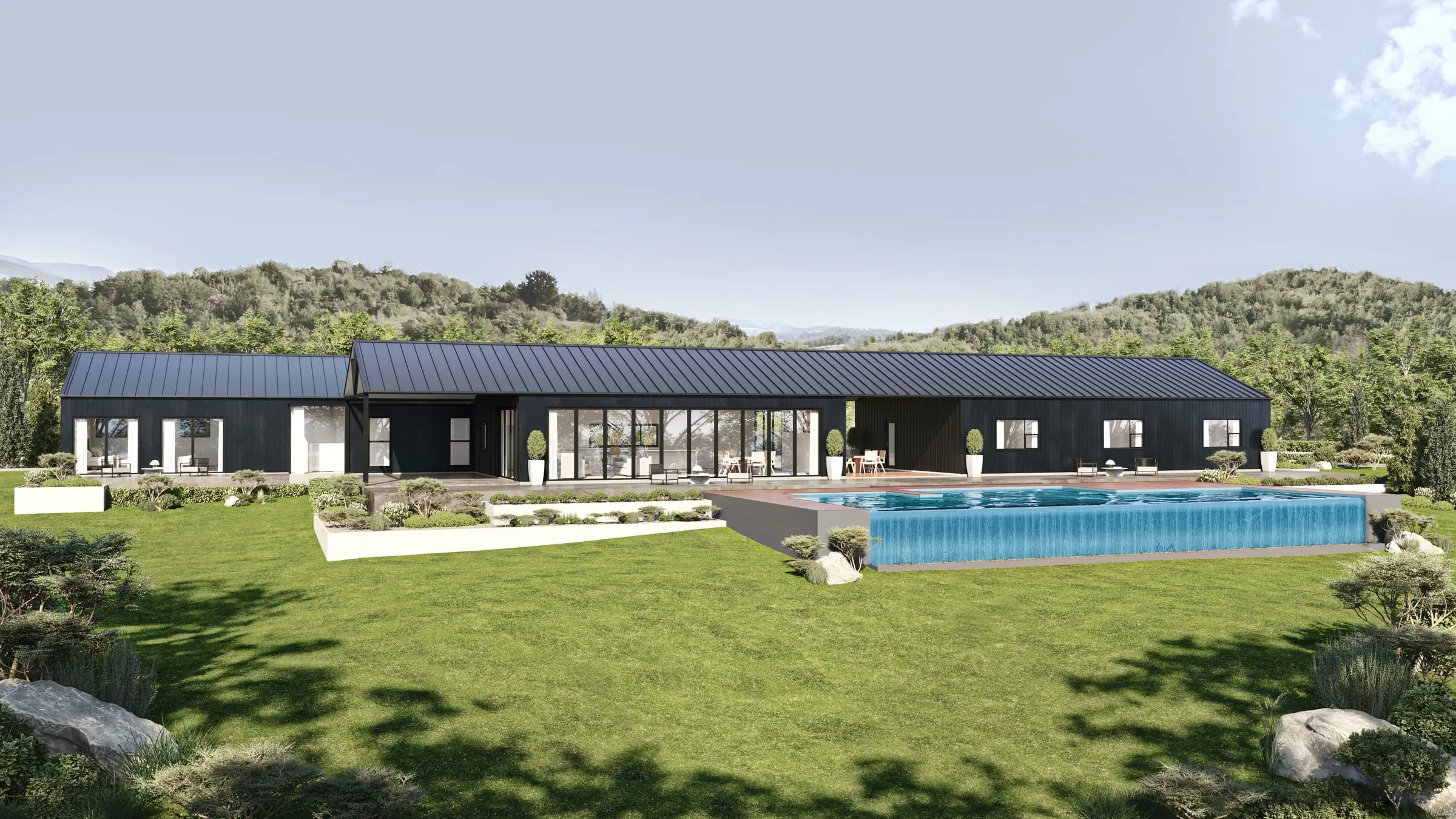
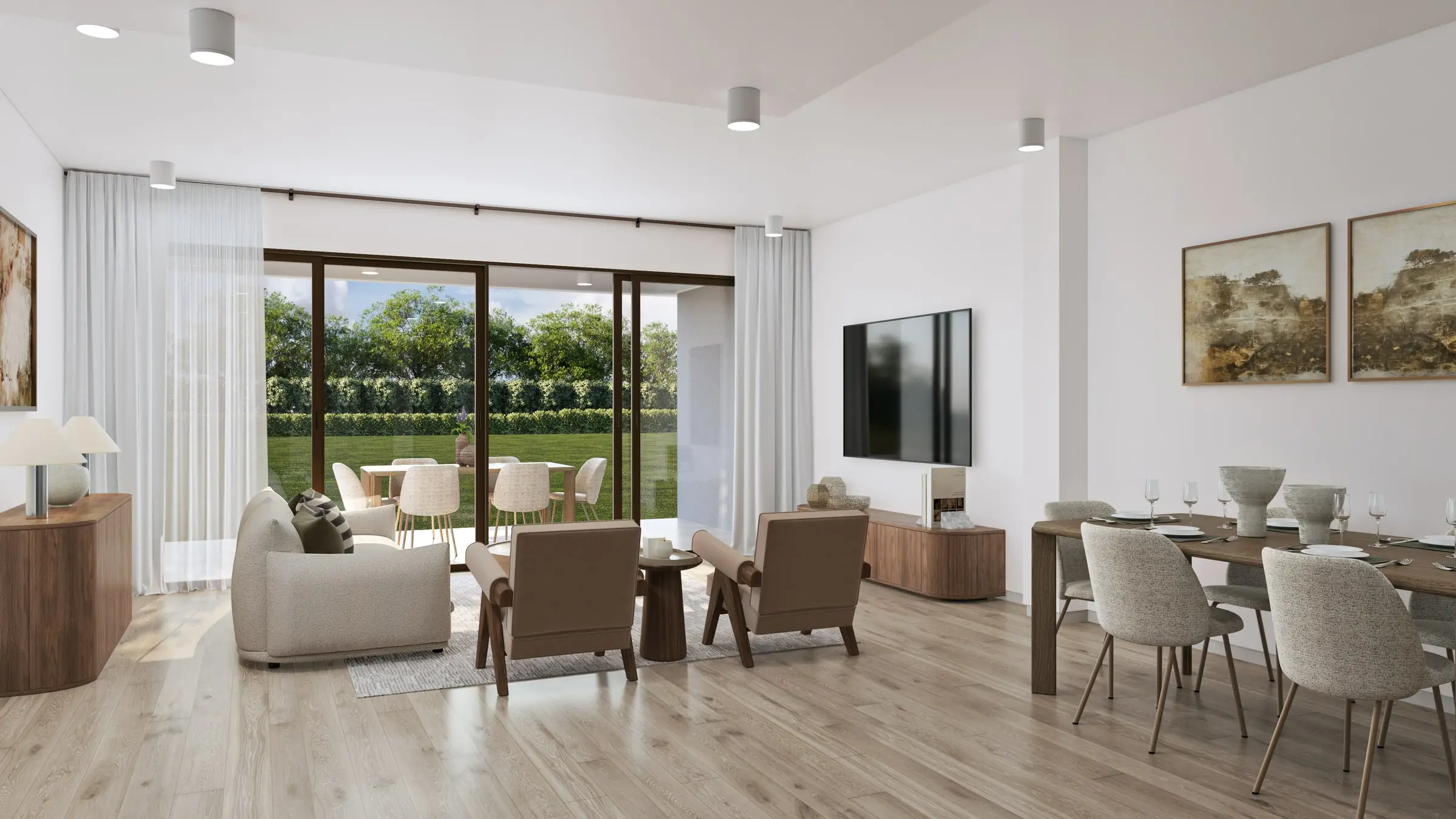
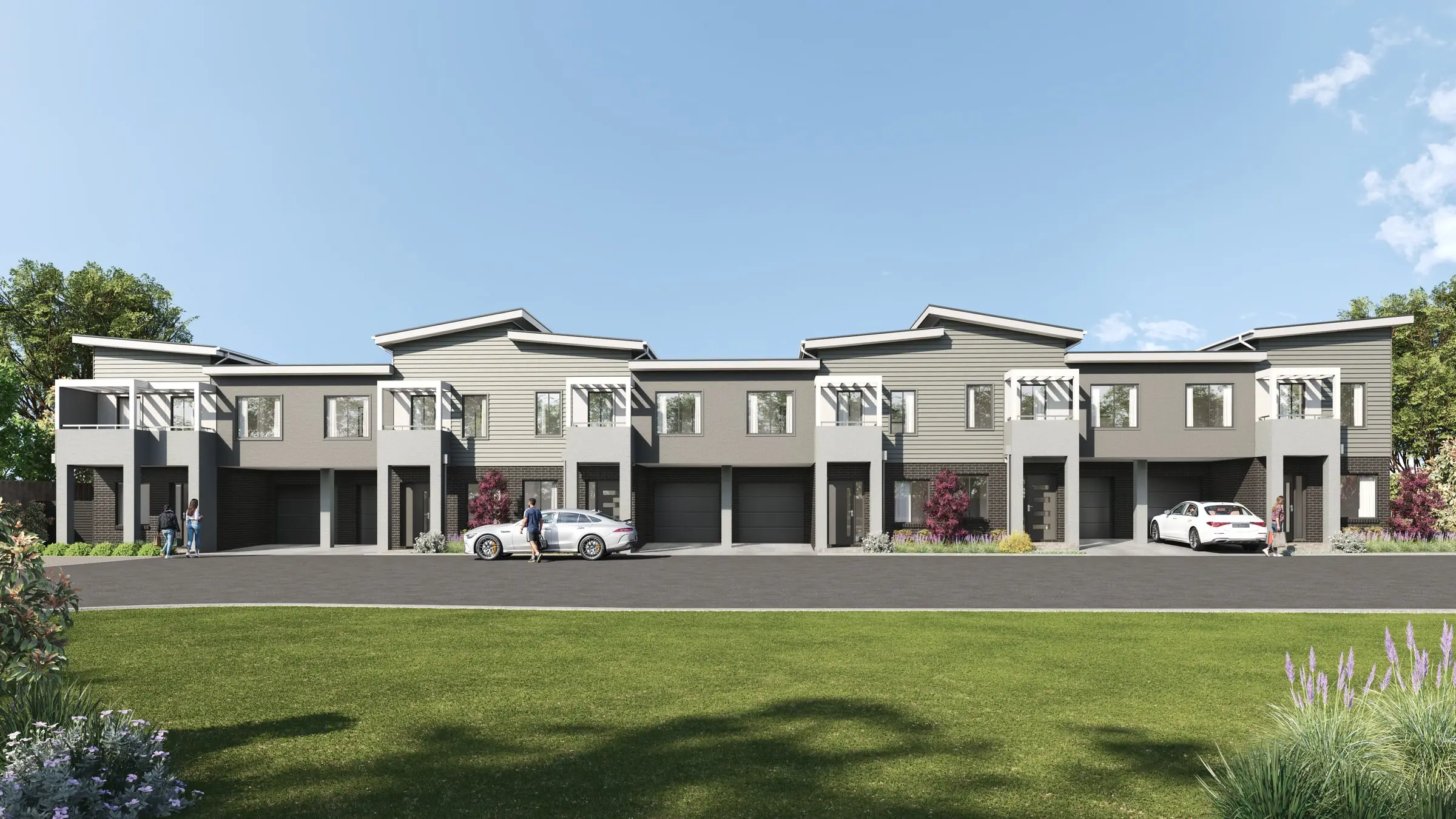
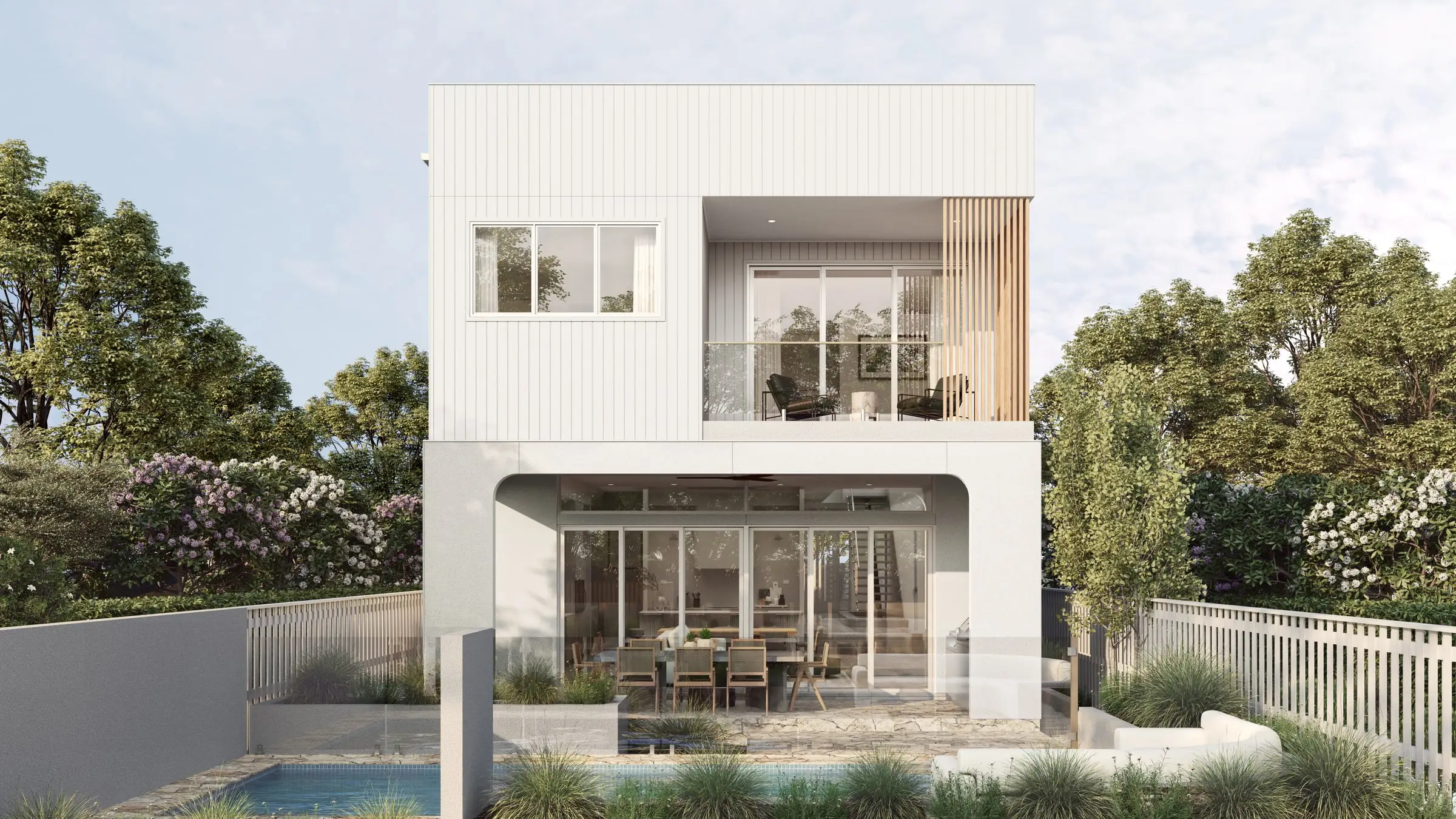
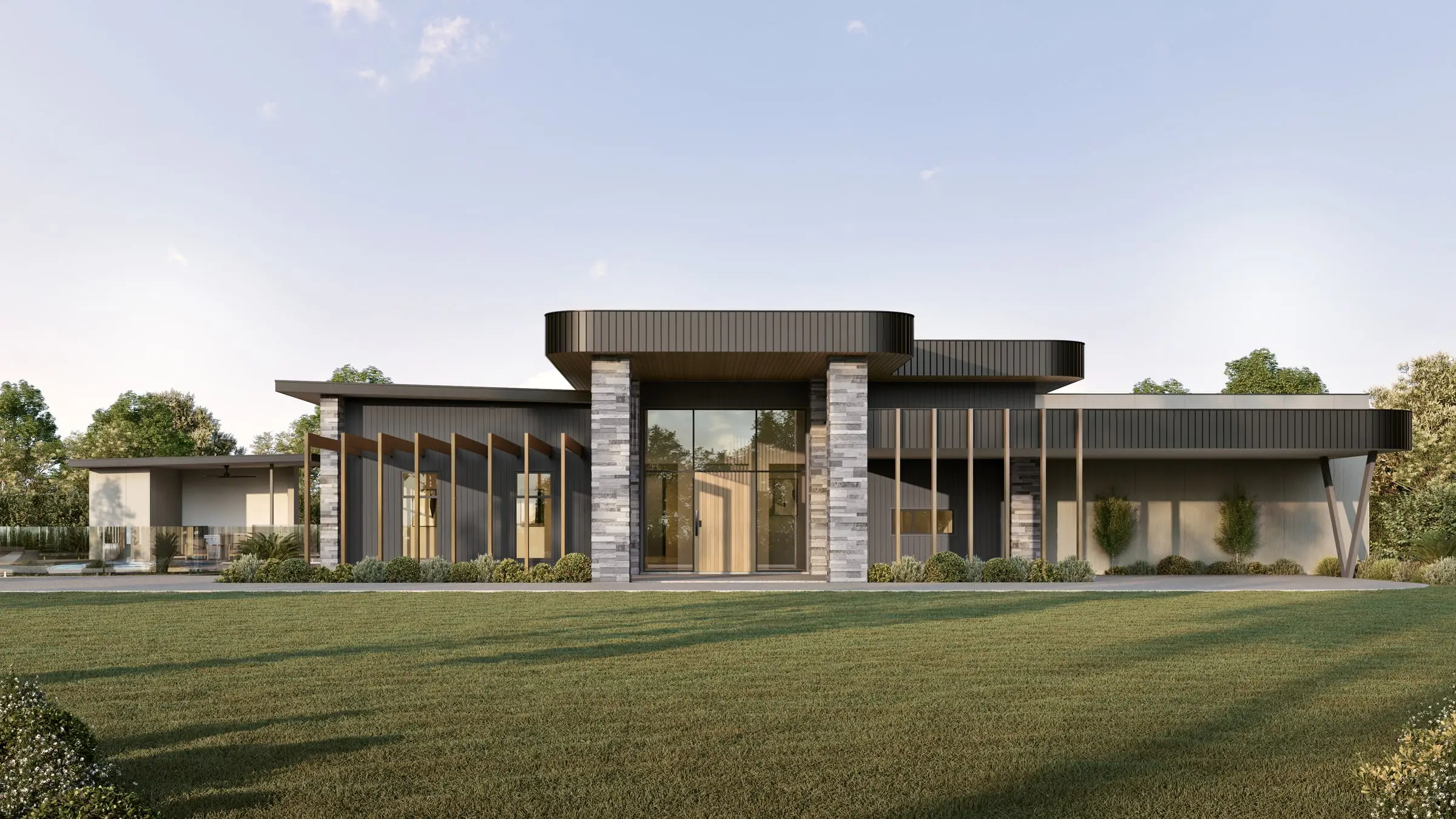
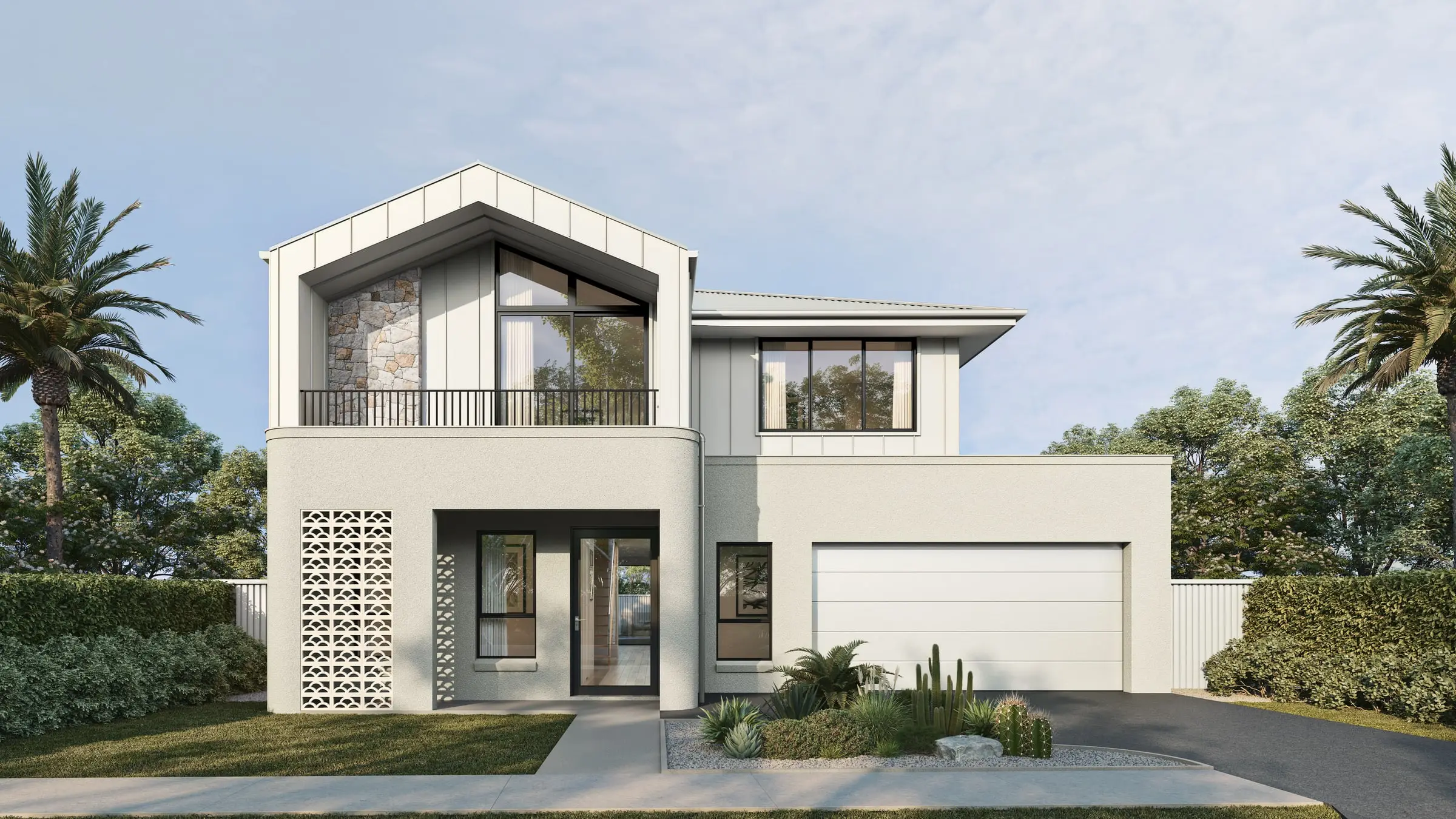
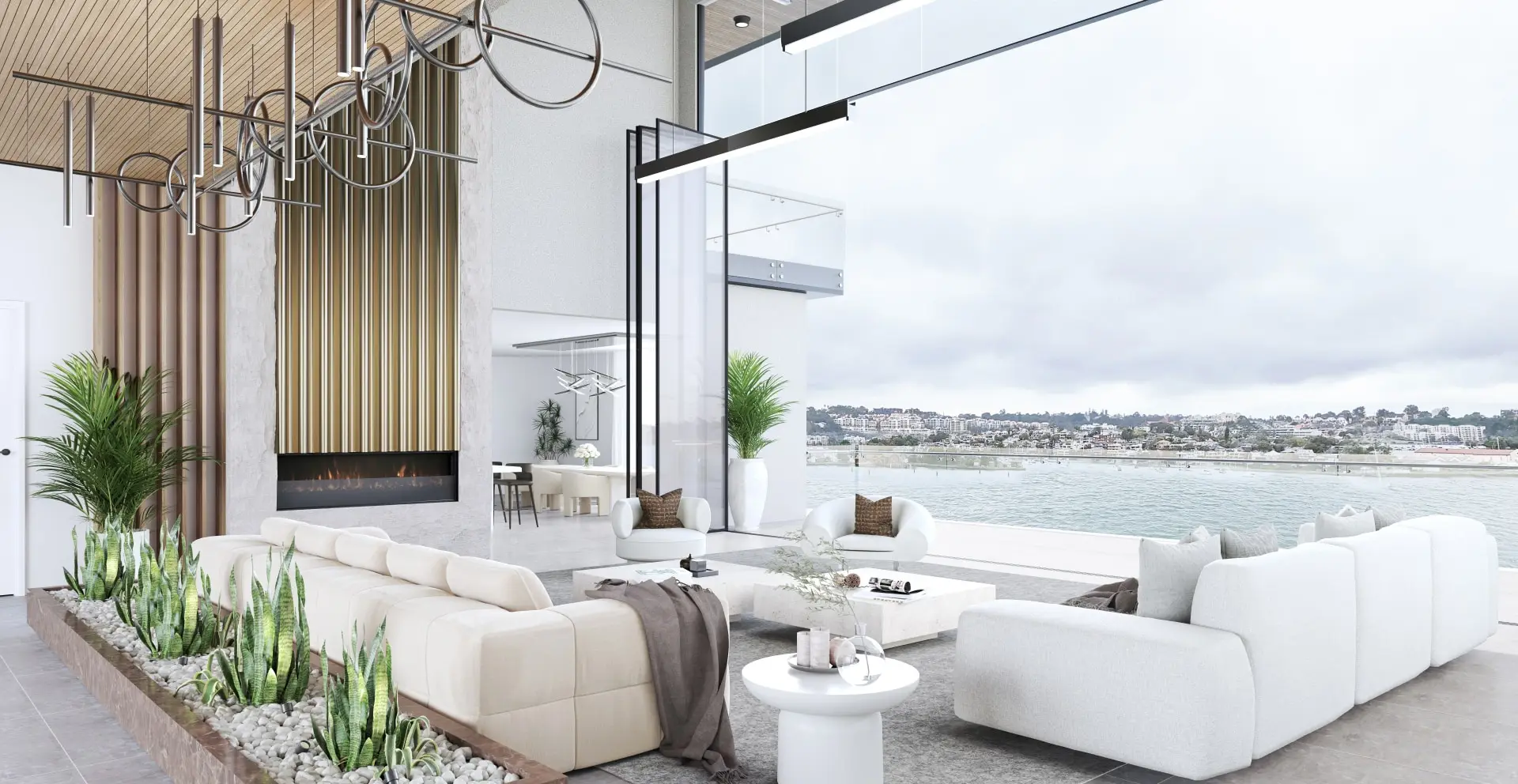
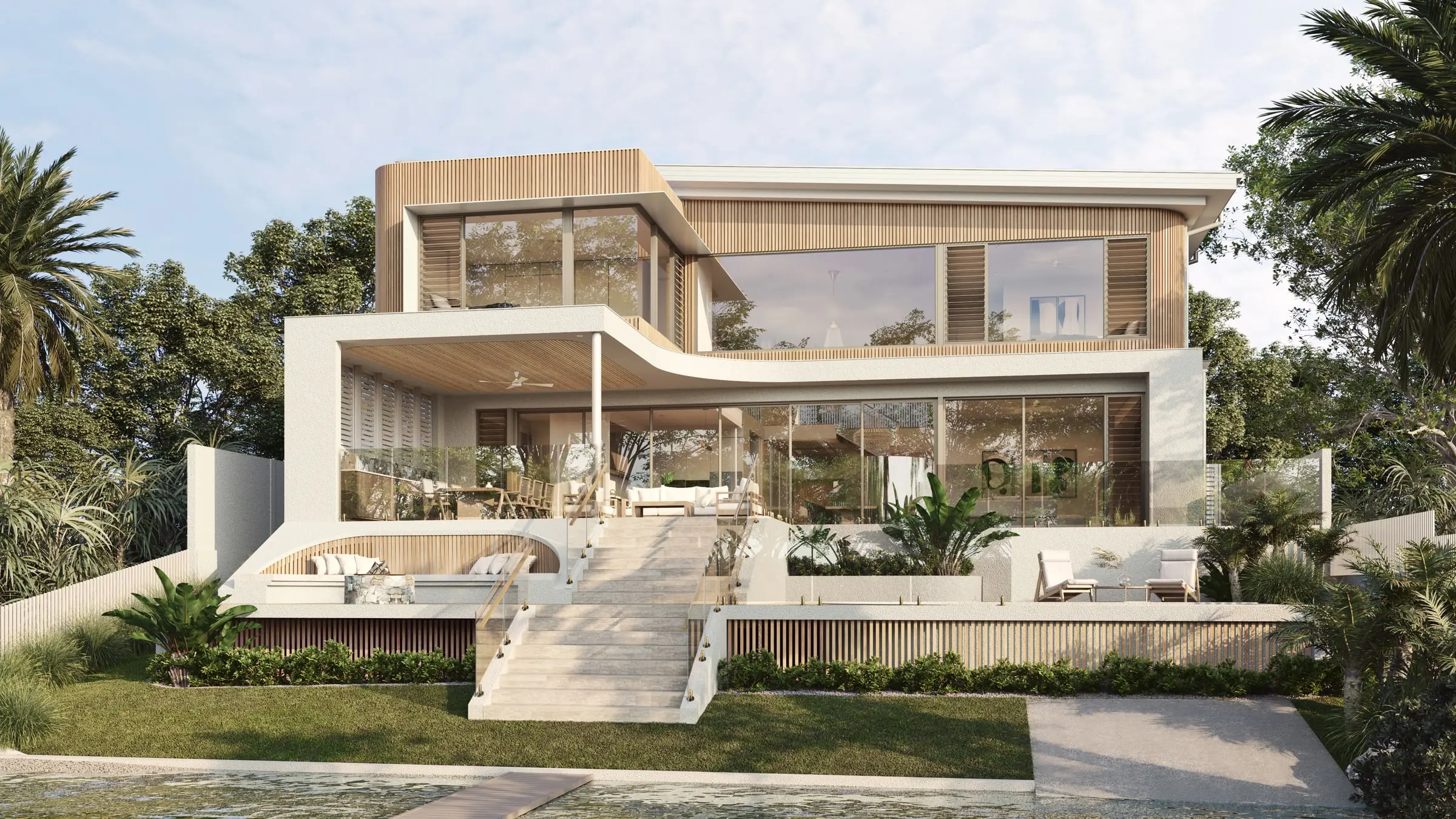
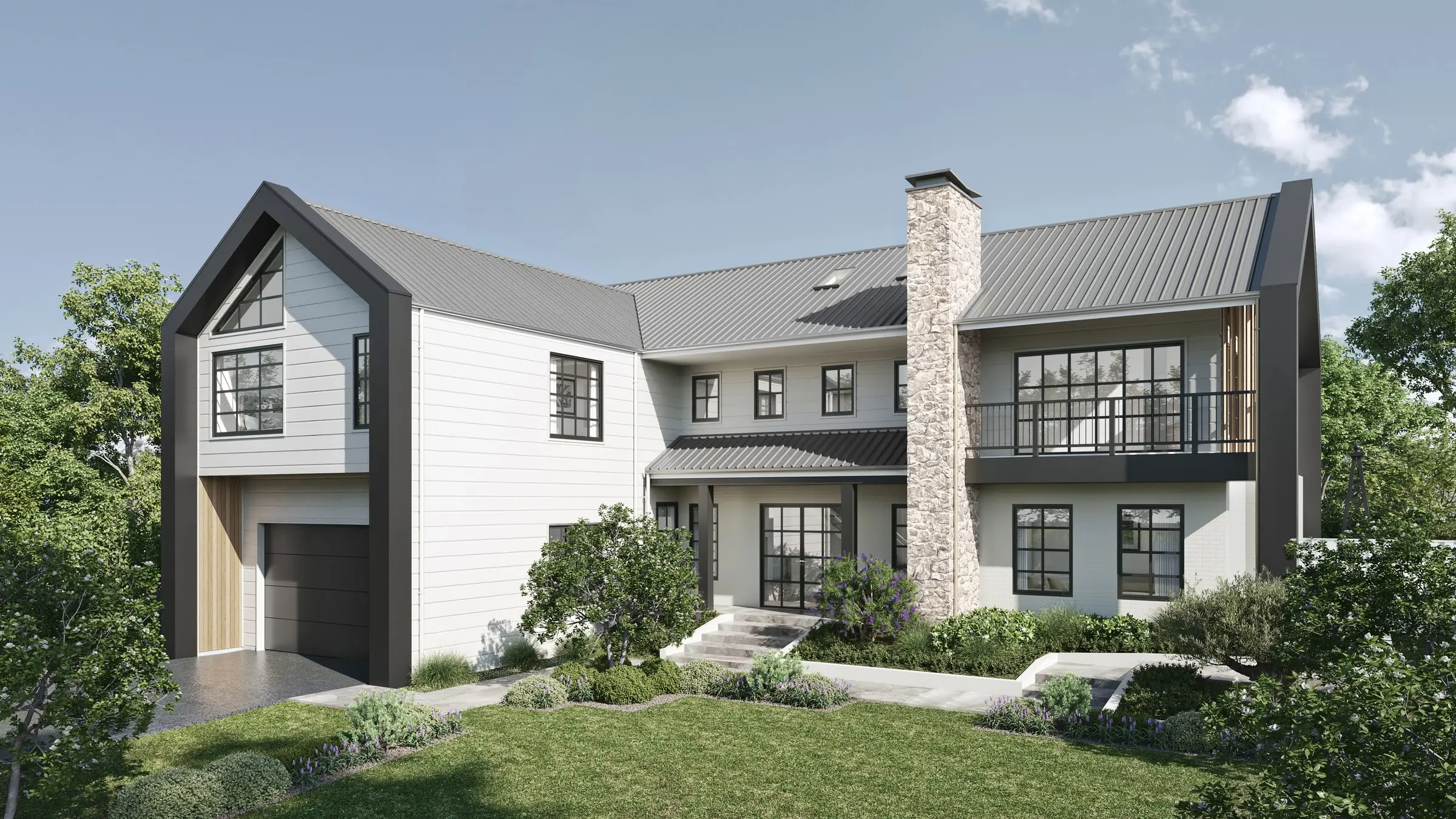
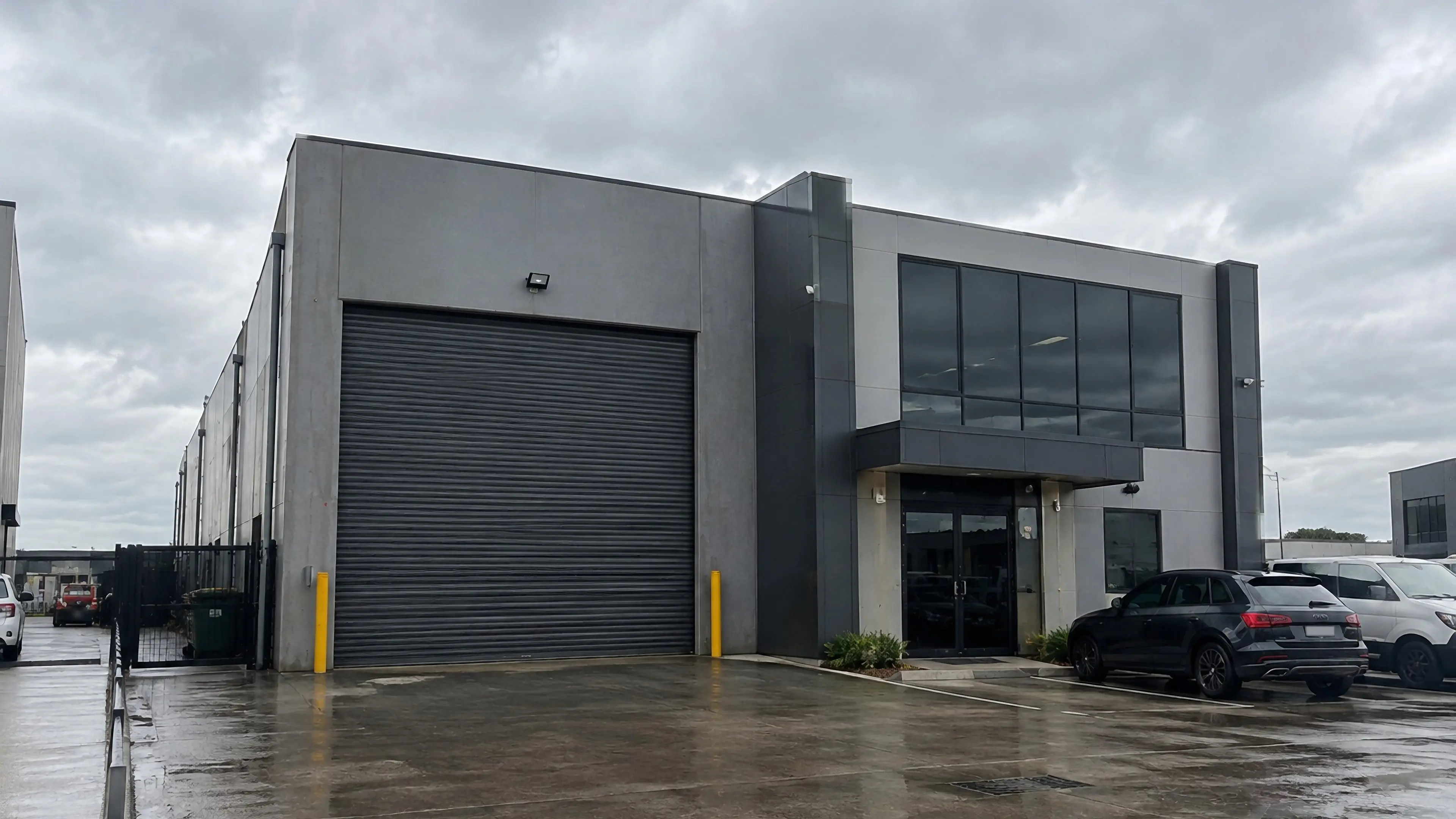
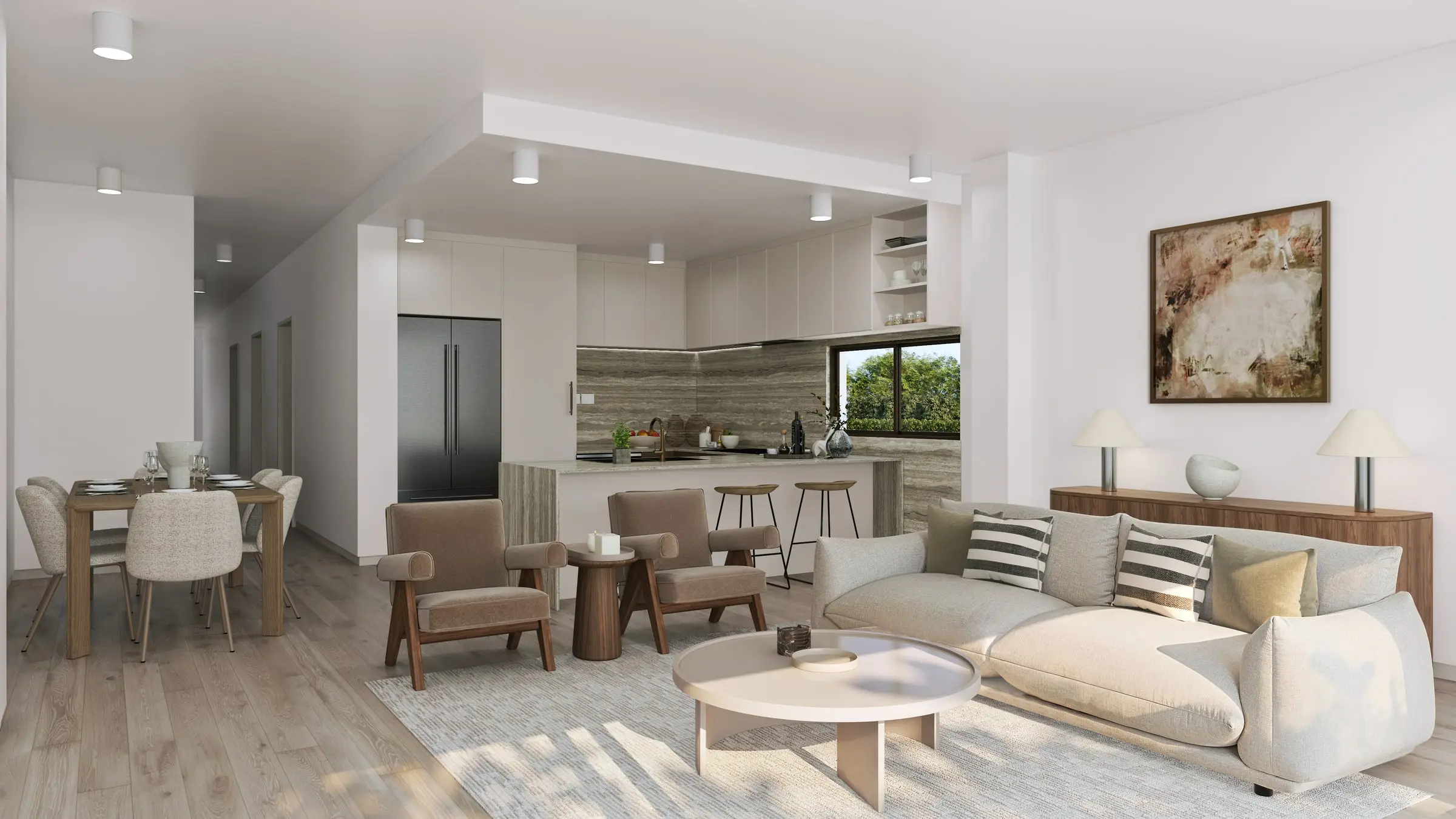
Project studies
All projects →Each study sets out the brief, how the image answers it and the one decision in the frame that made it work.
- $0
- Deposit for registered businesses
- 2 hours
- A fixed, scoped quote within two business hours
What the Aurum Standard includes
A fixed quote first
Scope, price and a delivery date in writing before any work starts — not a range, not an hourly estimate.
One senior artist
The person who builds your first frame lights your last one. Nothing is handed down a production line.
Camera and light before materials
Composition and lighting are signed off at the grey-box stage, where changes are cheap, before any material work begins.
Real materials
Finishes come from our scanned materials library or are matched to your samples and schedule — not approximated from a catalogue.
True sun for the site
Light is set for the real orientation and time of day, so the image agrees with your shadow studies and the finished building.
Registered businesses: no deposit
Work starts on a signed quote. Payment terms are set out in the quote itself.
How a visualisation project runs
- 01
Drawings and a fixed quote
Send elevations and plans with a line about what the images are for. The quote comes back with the views, the revision rounds and a delivery date, usually within two business hours.
- 02
Grey-box: camera and light
The building is massed in its real surroundings and every camera is placed before any materials go on, with the sun set for the site’s orientation. You approve composition and light while changes still cost little.
- 03
Materials and first frames
Finishes follow your schedule, landscape your plan, and neighbouring buildings come from survey and photographs. You see full-quality first frames on a shared review link and send one combined round of comments.
- 04
Grade and delivery
The finished frames are graded and rendered at 4K, 8K or print size, with web crops and layered files on request. Film and tours can follow from the same scene.
Rendering services compared: studio, freelancer, render farm or AI tool
Four very different things get sold as rendering services. Each starts from different material and leaves different decisions with you, so the right one comes down to what you already have and what the images need to do.
Rendering studio
- You send
- Plans, elevations and a brief.
- You get back
- Finished renders, film or tours.
- Who decides
- The studio sets camera, light and materials from your documents, and you sign off each stage.
- Suits
- Images a council, a client or an off-the-plan buyer will rely on.
Freelance marketplace
- You send
- Plans and a brief, to a person you choose from their portfolio.
- You get back
- Whatever that person produces. Quality and process vary from one freelancer to another.
- Who decides
- The freelancer makes the images. Checking them and holding the timeline stay with you.
- Suits
- A smaller job, if you have the time to compare portfolios and manage it yourself.
Render farm
- You send
- A complete 3D scene, already modelled, lit and textured.
- You get back
- The same scene calculated into images or film frames, faster than your own machine could.
- Who decides
- You have already decided. A farm supplies computing power, not design.
- Suits
- Artists and studios with their own scenes and plenty of frames to calculate.
AI image tool
- You send
- A prompt, a sketch or a photograph.
- You get back
- A convincing picture, fast and cheap, with no model behind it to check against the plans.
- Who decides
- The software, wherever your prompt is silent.
- Suits
- An early mood or a quick option study.
We are the first kind: one senior artist from first model to final grade. Marketing a property with AI images? Read the rules on AI and altered property images first. Comparing studios? How to choose a rendering studio has the questions to ask.
Outsourcing visualisation or keeping it in-house
Most practices end up doing both. Views pulled from your own Revit, ArchiCAD or SketchUp model in a real-time tool are quick to produce and fine for testing a design while it develops. Images that go out to a client, a council or buyers are a different job: a scene built to the documents, materials matched to the schedule, light set for the site and the time of day, and someone whose whole job is the image.
Keep it in-house when
- The images are for design checks within the team.
- You want lots of quick options and will throw most of them away.
- A visualiser on staff has room in their schedule.
Send it out when
- A client, a council or an off-the-plan buyer will rely on the image.
- The deadline falls in the middle of documentation.
- You need film, an aerial in its real context or an interactive tour.
- Nobody in the practice renders full-time.
Handing a job over is mostly a matter of sending files: the model, or plans and elevations, with the finishes schedule and a few site photos. You get a fixed quote with the views, revision rounds and a delivery date, then sign off each stage, starting with camera and light on a plain grey-box model. How to brief a visualisation studio has the full list.
Which service do you need?
Getting a DA approved
Exterior views in accurate context, at eye height from public places, with the neighbouring buildings modelled from survey.
Lodging a DA that needs a photomontage
The proposal set into photographs of the real site, the camera matched and the method written down to the Land and Environment Court’s policy, in case the application is appealed.
Selling off the plan
A campaign set: hero exteriors, interiors with real views, a ninety-second film and an interactive tour, all from one scene.
Leasing a commercial or residential building
Amenity and lobby interiors, an aerial that shows the location, and exteriors lit for the hour tenants actually arrive.
Winning a client or a competition
Restrained exteriors and interiors that argue the design idea, plus comparison sets while options are still open.
Selling a custom home
Exteriors and interiors that show the detail you actually build — stone, joinery, landscape and light — for the brochure, the listing and the sales conversation.
Listing a home that isn’t built yet
Our real estate package: one exterior and two interior renders, with web-sized copies for realestate.com.au and Domain and high-resolution files for brochures and signboards.
Presenting an interior scheme
Rooms rendered with joinery modelled to documentation, the finishes you specified and lighting that behaves like the real fittings, so a client can approve the scheme before anything is ordered.
New to the terms? Our guide to architectural rendering in Australia covers the main types of render and the rules each one meets, our guide to architectural visualisation explains what each output is for and who commissions it, and CGI vs 3D rendering sorts out the jargon. Labelling images for an off-the-plan sale? See what an artist’s impression is and what the label does not promise. Choosing a file size? Render resolution: 4K vs 8K vs print shows what each use needs.
Not sure? Send the drawings and a sentence about the project and we will tell you what it needs — including when a cheaper option would do the job.
Start a project
Get a fixed quote
A fixed price, scope and delivery date within two business hours. No deposit for registered businesses.
Received
Thank you — your enquiry is in.
We’ll come back with a fixed price, a scope and a delivery date within two business hours. If anything is missing, we’ll ask in our reply.
FAQ
Visualisation questions
How much does 3D rendering and architectural visualisation cost?
Exteriors and interiors start from $1,000 per image, aerials from $1,900, film from $6,500 per finished minute, photomontages from $1,500 per view and interactive tours from $3,000. Every project is quoted at a fixed price, with scope and a delivery date, before anything starts. All prices in AUD and exclude GST.
What are 3D rendering services?
They turn a building’s plans and elevations into photorealistic images before it is built: stills, film and virtual tours used for design decisions, development applications and off-the-plan sales. Tradespeople use the word rendering for the cement coat on a wall, which is a different business altogether. Freelancers, render farms and AI tools get called rendering services too; the comparison above sets out how they differ.
What do 3D rendering services include?
Everything from the drawings to the finished files: the 3D model built to your plans and elevations, the surrounding context, materials matched to the finishes schedule, lighting set for the site and the hour, styling, and the agreed views delivered at 4K, 8K or print resolution. The rounds of revisions and the delivery date are written into the fixed quote, and film or an interactive tour can be made from the same model.
How long does it take?
Typically: exterior visualisation 3–4 business days; interior visualisation 3–4 business days; aerial & masterplan 4–6 business days; architectural film 8–12 business days; interactive & virtual tours 1–2 weeks; photomontages 4–6 business days per view once the photos, survey and drawings are in. Your quote fixes the actual date. The stage that most often moves a timeline is approval at grey-box, so we agree camera and lighting early.
What do you need from me to start?
Elevations and floor plans are enough to begin. A site plan with a north point, a finishes schedule and site photographs make the result considerably better, and a Revit, ArchiCAD, SketchUp or Rhino model saves most of the build cost.
How do revisions work?
The number of revision rounds is set out in your fixed quote, so you know before anything starts. Most projects settle quickly, because camera and lighting are agreed at the grey-box stage — which is where revision cycles are usually lost.
Do you sign NDAs?
Yes. We sign non-disclosure agreements on request and have done so for many clients. Send yours before you share the drawings and we return it signed.
What resolution and formats do you deliver?
Stills at 4K or 8K, or at print resolution for billboards and brochures, with web exports as standard and layered files on request. Film and tours are delivered in the formats your channels need.
Can one model be used for several images?
Yes, and it is the biggest saving available. The scene is built once, so every additional view, lighting state or finish option costs a fraction of the first image — which is why a set commissioned together costs far less than the same images bought one at a time.
Are 3D rendering services and visualisation services the same thing?
In practice, yes. Both mean photorealistic renders, film and tours made from a building’s drawings before it exists; architects tend to say visualisation, property marketing tends to say renders or artist’s impressions. When you compare studios, compare what the quote fixes — the views, the revision rounds and the delivery date — and who actually does the work.
Is a rendering service the same as a render farm?
No. A render farm rents out computing power: you send it a 3D scene you have already built, lit and textured, and it calculates the images faster than your own computer could. A rendering studio starts from your drawings, builds the scene, makes the camera, light and material decisions and delivers finished renders. The computing is part of our job, not something you manage.
Who works on my project?
One senior artist, from the first model to the final grade. The person who sets your cameras also lights and grades the last frame, so nothing is lost in a hand-over, and you review every stage on a shared link.
Can film or an interactive tour be added later?
Yes. Film and tours are made from the same scene as the stills, so they can be added at any stage. Commissioned together with the stills they cost less than bought separately, because the scene is only built once.
Do you take on commercial and apartment projects?
Yes — apartment buildings, offices, hotels, industrial estates and logistics, as well as custom homes. The approach changes with the job: leasing and investment imagery explains access and frontage, while a home is sold on its detail.
Can you work to a tight deadline?
Put the date in your brief and the quote will say whether it can be met. Any rush surcharge is set out in that quote before you commit, never added to the invoice afterwards.
Can a boutique studio take on a large set of renders?
It can, if the date leaves room for it. The building and its surroundings are modelled once, and each further exterior view is another camera in that same scene, so nothing is rebuilt image by image. One senior artist works on the whole set, first view to last, so materials and light stay consistent from image to image. Because the studio limits how many jobs it carries, list the views and the date you need in your brief: the fixed quote names one delivery date for the full set, or makes clear before you agree to anything that the date is out of reach.