How long does 3D rendering take? Realistic timelines, and what moves them
How long architectural 3D rendering really takes — a single still, a set, a film, a tour — and the handful of things that make a project run late or land early.
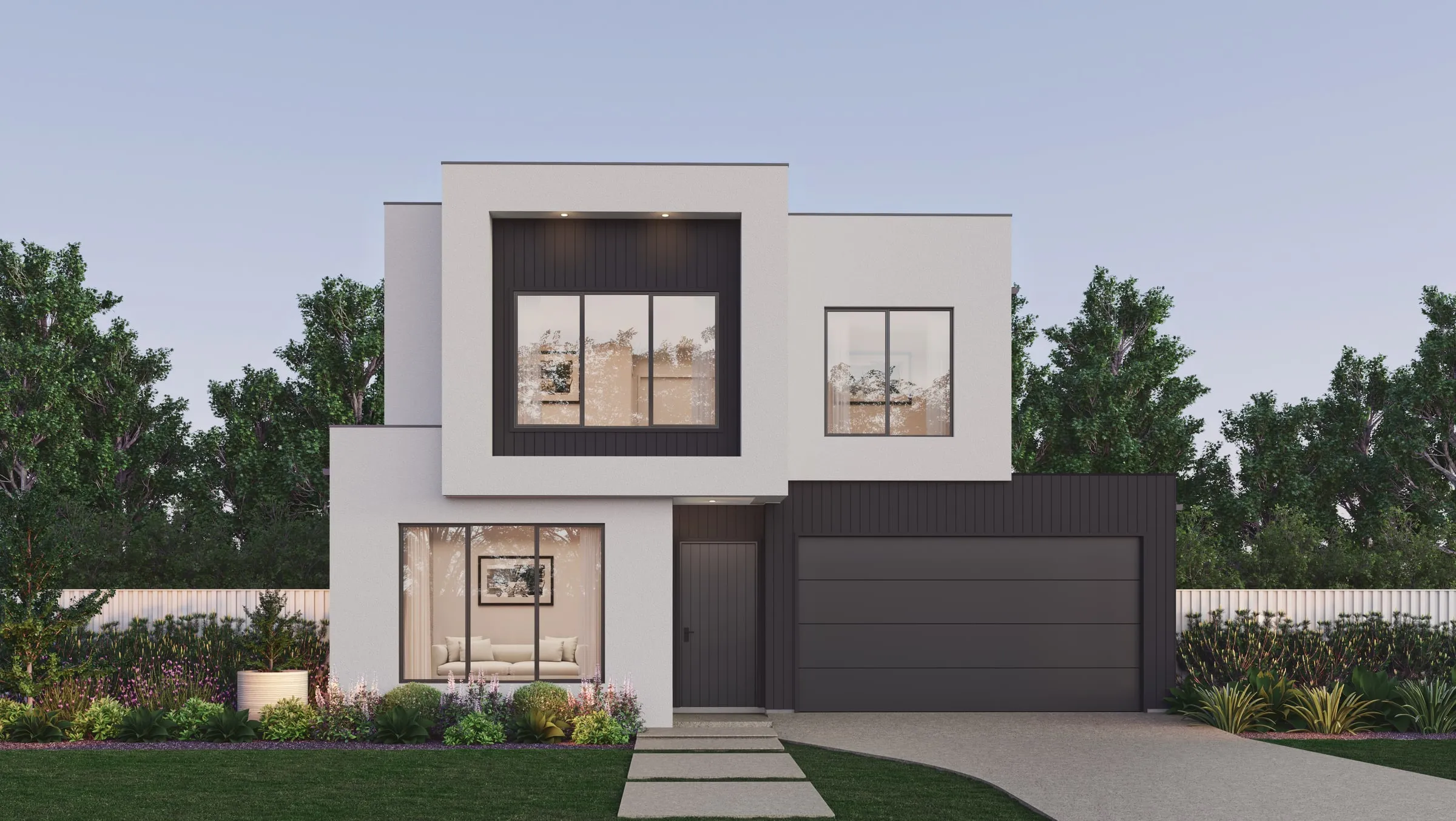
The short answer is days for a still and weeks for a film. The number on a quote matters less than what makes it hold, though — and most rendering projects that run late do so for the same few reasons, nearly all of them decided before a single frame is rendered.
Typical timelines
These are the turnarounds we quote once the drawings are settled and the scope is signed:
- One exterior or interior still: typically 3–4 business days
- An aerial or masterplan view: typically 4–6 business days
- A set of five stills: typically 5–8 business days
- An architectural film: typically 8–12 business days
- An interactive 360° tour: typically 1–2 weeks
- A full launch campaign — film, stills and a tour: typically 2–3 weeks
Every quote fixes an actual delivery date, because “typically” is not something you can plan a launch around.
Where the time actually goes
Very little of the calendar is the computer rendering. A still moves through five stages:
Modelling. The design is built from the drawings, along with the site and its neighbours. The biggest variable here is how complete the drawings are.
Camera and light. Views and sun are set on a plain grey model, with no materials, and sent for approval. This is the cheapest decision in the project to change, and the one that most often costs a timeline days — not because it is hard to give, but because it sits in an inbox.
Materials, styling and first frames. Finishes go on to specification; landscape, furniture and people are placed; the first full-quality frames come back for comment.
Revisions. One consolidated round of comments moves far faster than five emails from five people.
Final render and grade. A high-resolution frame can take hours of machine time, and the grade is done by hand, the way a photographer finishes a photograph.
What makes a project run late
- Drawings that change after modelling. The most common cause and the most expensive. A window moved after materials are applied means doing that part of the work twice.
- Missing information. Every absent finish, landscape plan or site photo becomes a guess, and guesses become revision rounds.
- Approvals that wait. A camera approval that sits for three days adds three days to delivery.
- Too many voices. Comments that contradict each other have to be resolved before work can continue. One person consolidating feedback saves days.
- Scope that grows. A dusk version or one more view is a reasonable request — and it is another frame, with its own time.
How to get your imagery sooner
- Send complete drawings — plans, elevations and sections, plus the finishes schedule if one exists. Our guide to briefing a rendering studio lists everything worth including.
- Approve the grey-box quickly. Everything after it waits on it.
- Consolidate comments into one round per stage.
- Book early. A studio that caps its workload gives you a real start date rather than a hopeful one; our projects usually start within two business days of a signed scope.
- Ask about a compressed turnaround if the date truly cannot move. Reallocating artists is often possible — and the surcharge should be quoted before you commit, never added afterwards.
Planning around a launch or a lodgement
For an off-the-plan launch, work backwards from the date the campaign goes live: the brochure, the signage and the website are all designed around the imagery, so it has to arrive before them, with time left for the marketing agency. Our guide to what an off-the-plan campaign needs from its imagery sets out the order.
For a planning application, confirm the authority’s requirements before modelling starts — a view that must be taken from a nominated position has to be agreed first. See what planners actually want from your render.
Approval timeframes in New South Wales
In New South Wales the approval pathway sets the clock the imagery has to fit. The NSW Government puts the average determination time for a development application at 70 days. Complying development, for straightforward projects that meet fixed standards, can be approved in as little as 20 days, or 10 days for NSW Housing Pattern Book development.
Imagery for a development application is needed at lodgement, before that wait begins, so the render schedule has to finish ahead of the lodgement date.
Sources, checked October 2026: NSW Planning, Complying development.
The short version
A still takes days and a film takes weeks, and the biggest factor in either is how settled the design is when work begins. Send us your drawings and you will have a fixed price and a delivery date within two business hours — or see our 3D rendering services and published prices first.